The blog posts will be released in English and German.
Willkommen zu meinem musikalischen Reiseblog
Der Blog erscheint auf Englisch und Deutsch.

A to Be – Worldtour 25/26
The blog posts will be released in English and German.
Der Blog erscheint auf Englisch und Deutsch.

On June 18, 2026, the closing event of the A to Be World Tour took place at the theater in the city center. Together with my former school friend and cabaret artist Simon Stiftinger, I shared humorous travel experiences and incredible anecdotes from my trip around the world in a cozy atmosphere. The cabaret show humorously reveals what a case of beer has to do with the “A to Be World Tour.”
Here’s the link to the video:
A to Be Worldtour – Abschlussveranstaltung: „Wie mich eine Kiste Bier auf Weltreise schickte“ | dorftv h


Am 18.06.2026 fand im Theater in der Innenstadt die Abschlussveranstaltung der A to Be Worldtour statt. Gemeinsam mit meinem ehemaligen Schulfreund und Kabarettisten Simon Stiftinger berichtete ich in gemütlicher Atmosphäre über humorvolle Reiseerlebnisse und unglaublichen Anekdoten von meiner Weltreise. Was eine Kiste Bier mit der „A to Be Worldtour“ zu tun hat, wird in humorvollerweise im Kabarett verraten.
Hier der Link zum Video:
A to Be Worldtour – Abschlussveranstaltung: „Wie mich eine Kiste Bier auf Weltreise schickte“ | dorftv

One highlight was the spontaneous trip from Hanoi through China straight to Vienna to watch the historic LASK championship final live. After more than 60 years, LASK had another chance to become Austrian soccer champions—a moment I didn’t want to miss. The atmosphere in the stadium, the excitement in the stands, and the celebrations made the evening unforgettable. In Vlog 21, I share some footage from the soccer stadium alongside the LASK fans.
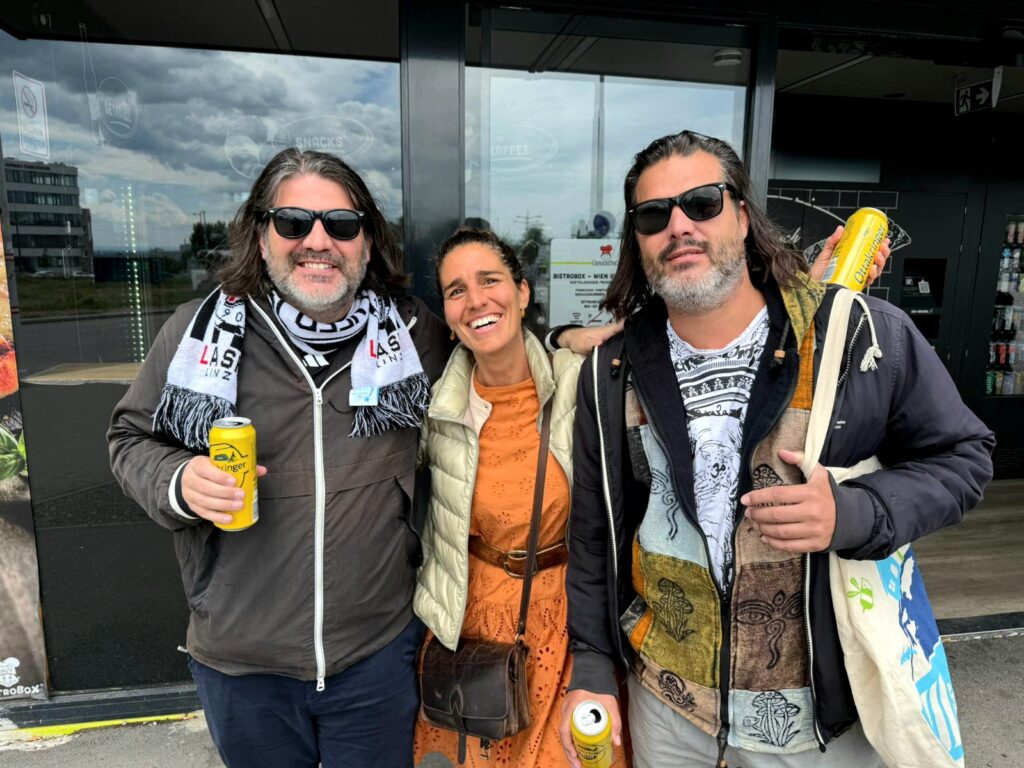
Then it was back to Upper Austria. In a wrap-up conversation with Bibi Finster, I looked back on the most memorable moments of the A to Be World Tour 2025/26 and talked about encounters, travels, and life in faraway lands.

In addition, the grand closing event was announced for June 18, 2026, at the theater in downtown Linz, which will be held in collaboration with Simon Stiftinger. Attendees can look forward to an evening filled with reflections, conversations, and musical highlights.

A to Be Worldtour Vlog 21 | Wien, LASK, Linz | dorftv
A to Be Worldtour Vlog 22 | Interview zum Tourabschluss | dorftv
Ein Highlight war die spontane Reise von Hanoi über China direkt nach Wien, um das historische LASK-Endspiel live mitzuerleben. Nach über 60 Jahren hatte der LASK wieder die Chance, österreichischer Fußballmeister zu werden – ein Moment, den man nicht verpassen wollte. Die Atmosphäre im Stadion, die Emotionen auf den Rängen und die Feierlichkeiten machten den Abend unvergesslich. Im Vlog 21 zeige ich einige Aufnahmen vom Fußballstadion gemeinsam mit den LASK – Fans.
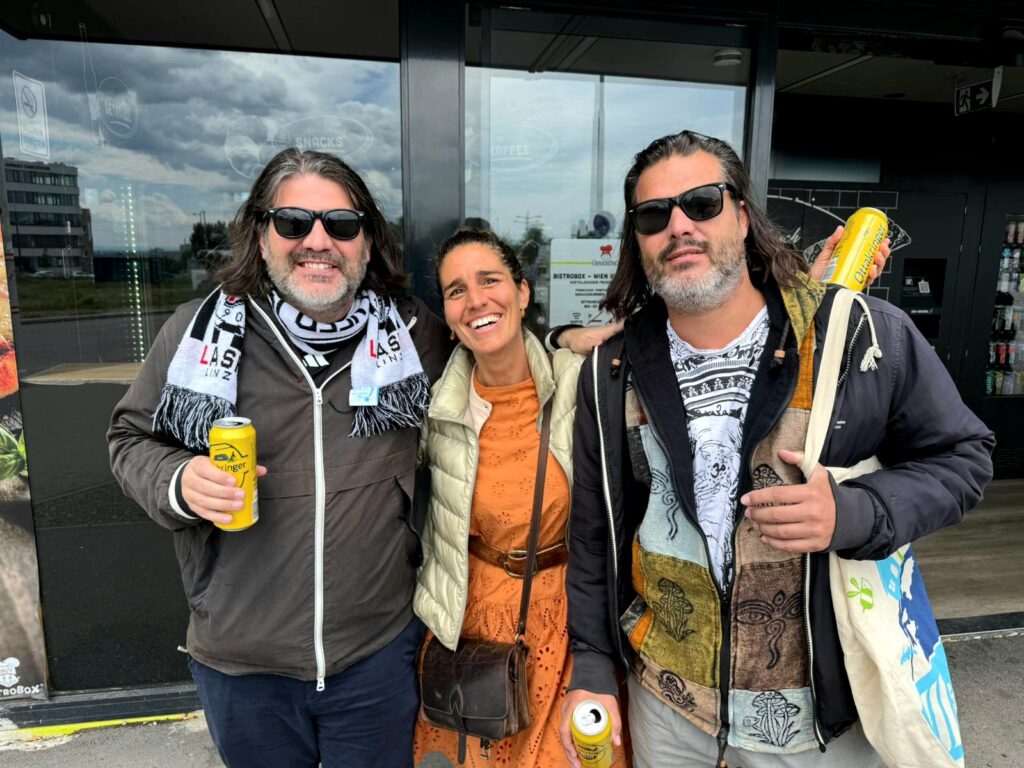
Dann gings zurück nach Oberösterreich. Im Abschlussgespräch mit Bibi Finster blickte ich zurück auf die prägendsten Momente der A to Be-Worldtour 2025/26 und sprach über Begegnungen, Reisen und das Leben in fernen Ländern.

Außerdem wurde die große Abschlussveranstaltung am 18.06.2026 im Theater in der Linzer Innenstadt angekündigt, die gemeinsam mit Simon Stiftinger stattfinden wird. Besucher:innen erwartet ein Abend voller Rückblicke, Gespräche und musikalischer Highlights.

A to Be Worldtour Vlog 21 | Wien, LASK, Linz | dorftv
A to Be Worldtour Vlog 22 | Interview zum Tourabschluss | dorftv
Sometimes, only a few days separate the highest mountains in the world from the turquoise bays of Southeast Asia. That’s exactly what my new A to Be Worldtour Vlog 20 is about. This time, I’m taking you on a journey that could hardly be more contrasting: from the peaceful mountain villages of the Indian Himalayas to the most famous islands of Thailand.
Everything started in northern India — in the small towns of Kasol, Manikaran, and Tosh. Surrounded by massive mountains, dense forests, and the roaring Parvati River, this region almost feels like another world.
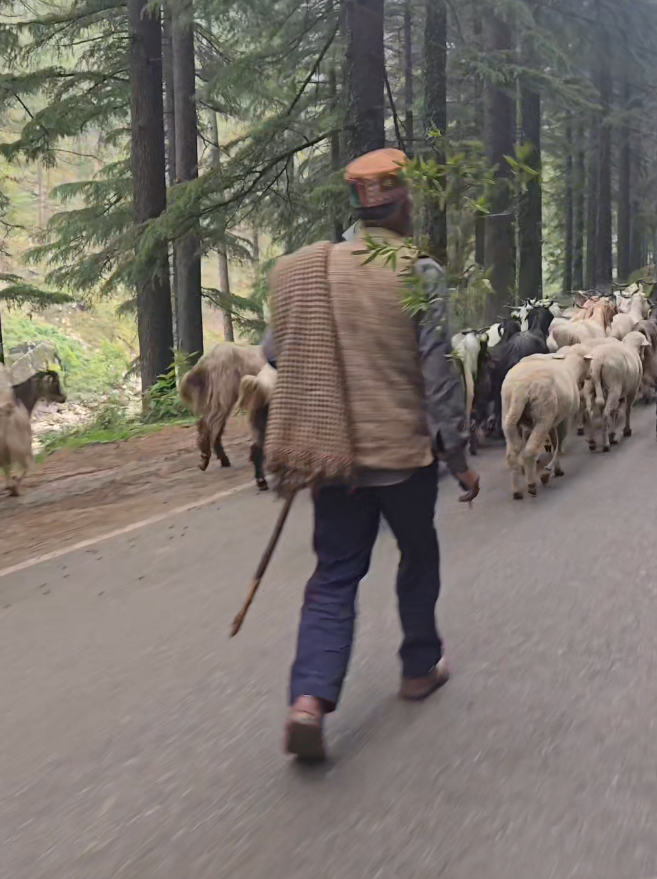
Kasol is often referred to as the “Little Israel” of India because travelers from all over the world have been gathering there for many years. Small cafés, a laid-back atmosphere, and spectacular nature make it a perfect base for backpackers and hikers.
Just a few kilometers away lies Manikaran — famous for its hot springs and the well-known Sikh temple. One particularly fascinating fact: the water from the springs is so hot that food is traditionally cooked in it. At the same time, spirituality, nature, and the simple mountain lifestyle all come together here.
Things get even quieter in the small village of Tosh. High up in the mountains, time seems to move more slowly. In the mornings, you look directly at snow-covered peaks, during the day clouds drift through the valleys, and in the evenings everything becomes silent. That sense of peace is exactly what makes the Himalayas so special. No rush. No stress. Just nature, fresh air, and that rare moment when you can completely switch off.
But as so often happens while traveling, things turned out differently than planned.
The original plan wasn’t to return to Thailand again. I had already visited the country several times before. But sometimes the best travel decisions happen spontaneously — especially when entering the country is easy and flexible for many tourists.
So, without much hesitation, I continued from Delhi toward Southeast Asia — leaving behind the cold mountain climate and stepping straight into tropical temperatures, palm trees, and island life.
The next destination was Koh Phi Phi — an island group world-famous for its spectacular beaches. Even the boat ride there feels surreal: steep limestone cliffs rise out of the sea, the water glows turquoise, and hidden coves are scattered between the rocks.
One of the most famous spots, of course, is Maya Bay. Many people know this beach from the movie The Beach starring Leonardo DiCaprio. And in reality, the bay almost looks unreal: white sand, crystal-clear water, and towering cliffs surrounding the beach.
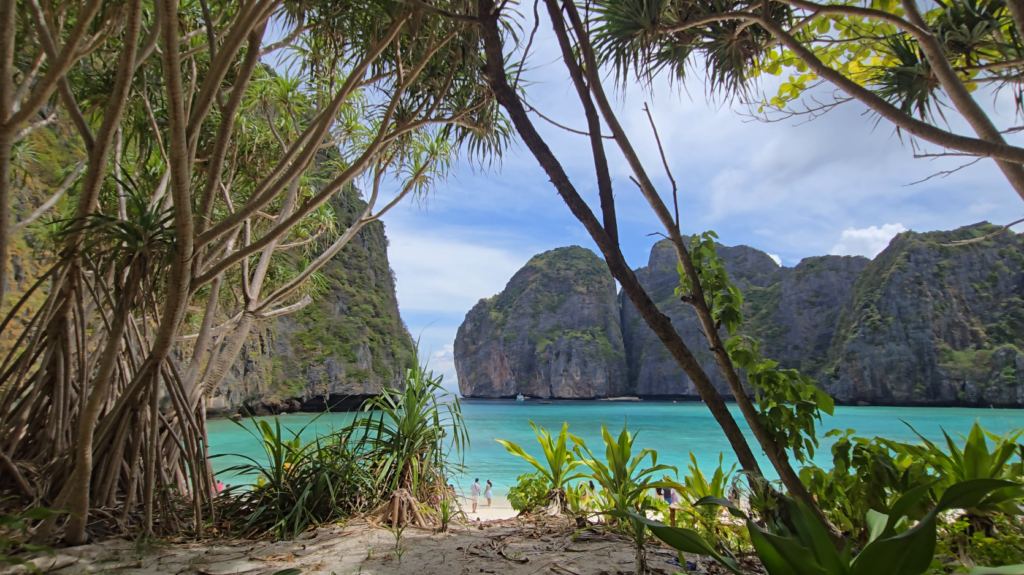
Especially in the early morning, before too many boats arrive, the place feels magical. You immediately understand why Maya Bay became one of the most famous beaches in the world.
But the vlog doesn’t only show the perfect postcard moments. Places like Koh Phi Phi and Maya Bay also make it obvious how strongly tourism has changed these islands. Thousands of visitors every day, countless boats, and ever-growing hotel developments leave their mark — both on nature and on the atmosphere of the islands.
In the past, Thai authorities even had to temporarily close Maya Bay completely so that nature and the coral reefs could recover. Today, stricter visitor regulations are in place to better protect the bay.
That contrast is exactly what makes the journey so interesting: on one hand, you experience incredible beauty; on the other, you also see the challenges that come with mass tourism. Sometimes only a few meters separate paradise from reality.
What ultimately made this trip so special wasn’t only the contrast between the Himalayas and tropical islands. Above all, it was the feeling that travel can never be fully planned.
Sometimes the best moments happen exactly when you spontaneously decide to keep moving. From the peaceful mountain life of India to the lively beaches of Thailand, this vlog shows two completely different worlds — and that’s exactly what makes traveling so fascinating.

You’ll find more impressions, background stories, and personal experiences in the current A to Be Worldtour Vlog 20, as well as soon on my travel blog:
A to Be Worldtour Vlog 20 | Manikaran, Tosh, Maya Bay, Koh Phi Phi | dorftv
Zwischen den höchsten Bergen der Welt und den türkisblauen Buchten Südostasiens liegen manchmal nur wenige Tage. Genau darum geht es in meinem neuen A to Be Worldtour Vlog 20. Dieses Mal nehme ich euch mit auf eine Reise, die gegensätzlicher kaum sein könnte: von den ruhigen Bergdörfern im indischen Himalaya bis zu den berühmtesten Inseln Thailands.
Gestartet hat alles im Norden Indiens – in den kleinen Orten Kasol, Manikaran und Tosh. Eingebettet zwischen riesigen Bergen, dichten Wäldern und dem rauschenden Parvati River fühlt sich diese Region fast wie eine andere Welt an.
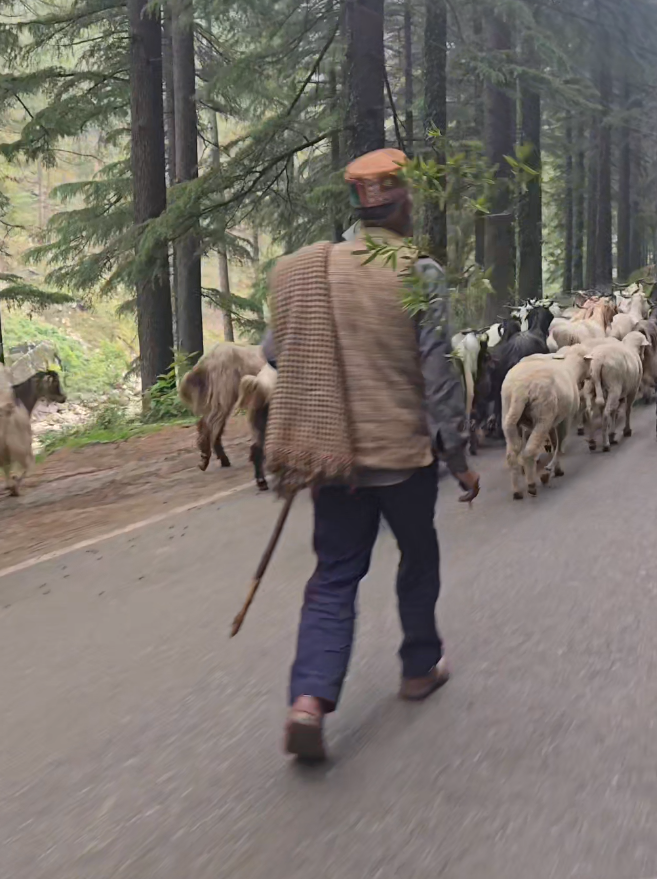
Kasol wird oft als das „Little Israel“ Indiens bezeichnet, weil sich dort seit vielen Jahren Reisende aus aller Welt treffen. Kleine Cafés, entspannte Atmosphäre und spektakuläre Natur machen den Ort zu einem perfekten Ausgangspunkt für Backpacker und Wanderer.
Nur wenige Kilometer entfernt liegt Manikaran – bekannt für seine heißen Quellen und den berühmten Sikh-Tempel. Besonders faszinierend: Das Wasser der Quellen ist so heiß, dass dort traditionell sogar Essen gekocht wird. Gleichzeitig treffen hier Spiritualität, Natur und das einfache Leben der Berge aufeinander.
Noch ruhiger wird es im kleinen Dorf Tosh. Hoch oben in den Bergen scheint die Zeit langsamer zu vergehen. Morgens blickt man direkt auf schneebedeckte Gipfel, tagsüber ziehen Wolken durch die Täler und abends wird es still. Genau diese Ruhe macht den Himalaya so besonders. Keine Hektik. Kein Stress. Einfach nur Natur, klare Luft und dieser Moment, in dem man komplett abschalten kann.
Eigentlich war gar nicht vorgesehen, noch einmal nach Thailand zu reisen. Ich hatte das Land bereits mehrere Male besucht. Doch manchmal entstehen die besten Reiseentscheidungen spontan. Vor allem, weil die Einreise für viele Touristen unkompliziert und flexibel möglich ist.
Also ging es kurzerhand von Delhi weiter Richtung Südostasien – vom kalten Bergklima direkt hinein in tropische Temperaturen, Palmen und Inseln.
Das nächste Ziel war Koh Phi Phi – eine Inselgruppe, die weltweit für ihre spektakulären Strände bekannt ist. Schon die Anfahrt mit dem Boot wirkt surreal: steile Kalksteinfelsen ragen aus dem Meer, das Wasser leuchtet türkis und überall liegen kleine Buchten versteckt zwischen den Felsen.
Einer der bekanntesten Orte dort ist natürlich die Maya Bay. Viele kennen diesen Strand aus dem Film The Beach mit Leonardo DiCaprio. Und tatsächlich sieht die Bucht fast unwirklich aus: weißer Sand, kristallklares Wasser und hohe Felswände, die den Strand umgeben.
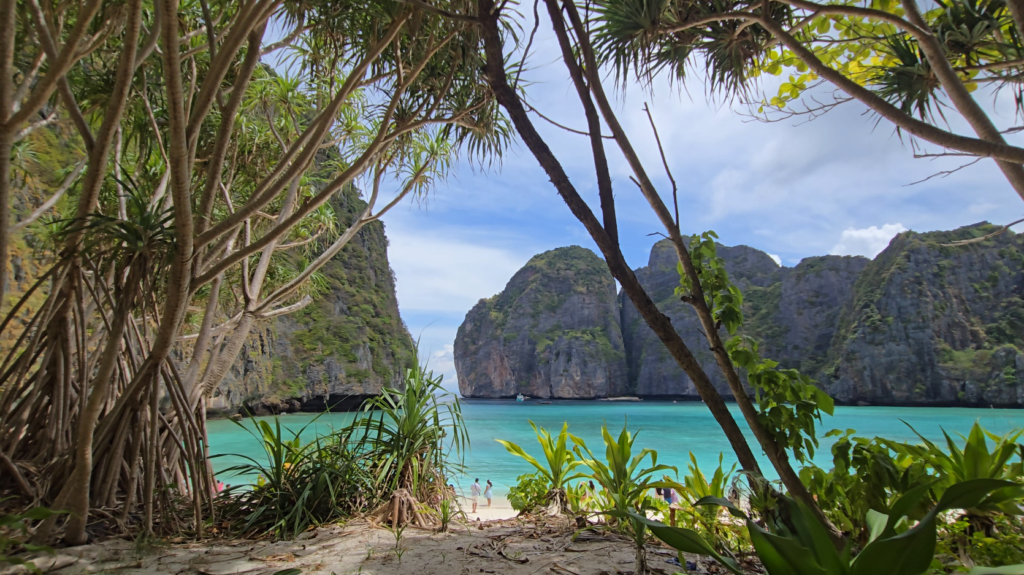
Gerade morgens, wenn noch nicht zu viele Boote angekommen sind, hat dieser Ort etwas Magisches. Man versteht sofort, warum Maya Bay zu den bekanntesten Stränden der Welt geworden ist.
Doch der Vlog zeigt nicht nur die perfekten Postkartenmomente. Gerade an Orten wie Koh Phi Phi oder Maya Bay wird deutlich, wie stark der Tourismus solche Inseln verändert hat. Tausende Besucher täglich, zahlreiche Boote und immer neue Hotels hinterlassen Spuren – sowohl in der Natur als auch im Lebensgefühl der Inseln.
Die thailändischen Behörden mussten Maya Bay in der Vergangenheit zeitweise sogar komplett schließen, damit sich die Natur und die Korallen erholen konnten. Heute gelten strengere Regeln für Besucher, um die Bucht besser zu schützen.
Genau dieser Kontrast macht die Reise so spannend: Einerseits erlebt man unglaubliche Schönheit, andererseits sieht man auch die Herausforderungen, die Massentourismus mit sich bringt. Zwischen Traumkulisse und Realität liegen oft nur wenige Meter.
Was diese Reise am Ende so besonders gemacht hat, war nicht nur der Wechsel zwischen Himalaya und Tropeninsel. Es war vor allem das Gefühl, dass Reisen nie komplett planbar ist.
Manchmal entstehen die besten Momente genau dann, wenn man spontan entscheidet, weiterzuziehen. Vom ruhigen Leben in den Bergen Indiens bis zu den lebhaften Stränden Thailands zeigt dieser Vlog zwei völlig unterschiedliche Welten – und genau das macht das Reisen so faszinierend.

Mehr Eindrücke, Hintergründe und persönliche Erfahrungen gibt es im aktuellen A to Be Worldtour Vlog 20 sowie bald auf meinem Travelblog:
A to Be Worldtour Vlog 20 | Manikaran, Tosh, Maya Bay, Koh Phi Phi | dorftv
After returning from the Maldives, I found myself in an intense phase between creativity and work. For our band Ashram, Shaheer, German and I spent the past few weeks working on the live videos from our 2025 concert at the Spinnerei. At the same time, I’ve been creating new songs inspired by everything I’m experiencing along the way. To conclude my A to Be World Tour, I’ll be releasing my new track “Time to Be”, along with a music video—a kind of musical reflection of this journey.
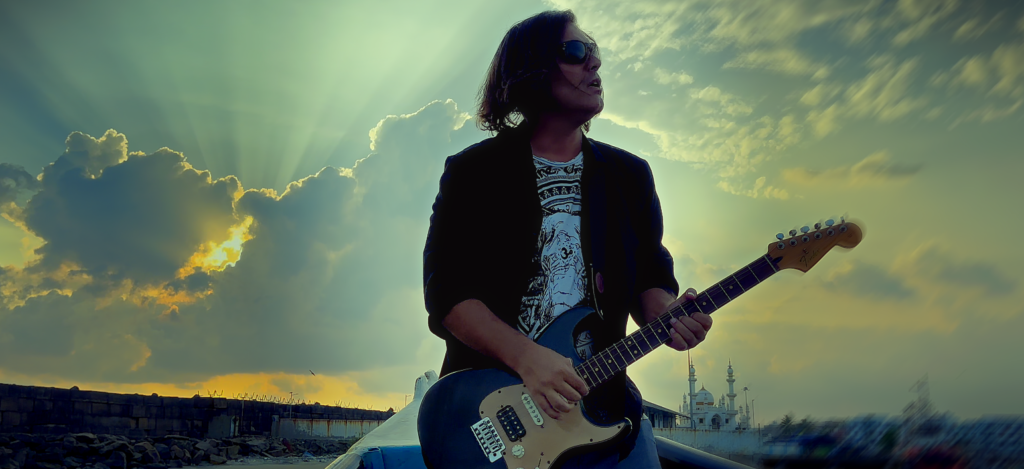
From there, I continued north to Darjeeling and Sikkim. Surrounded by misty mountains and peaceful landscapes, I visited several Buddhist monasteries. My conversations with monks—about mindfulness, impermanence, and the essence of life—left a deep impression on me and continue to inspire my music.
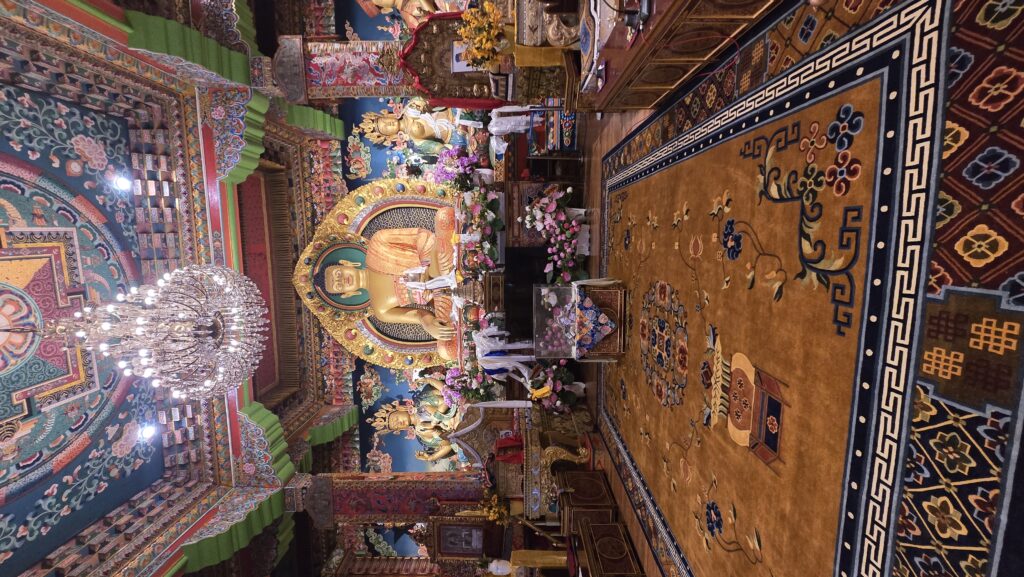
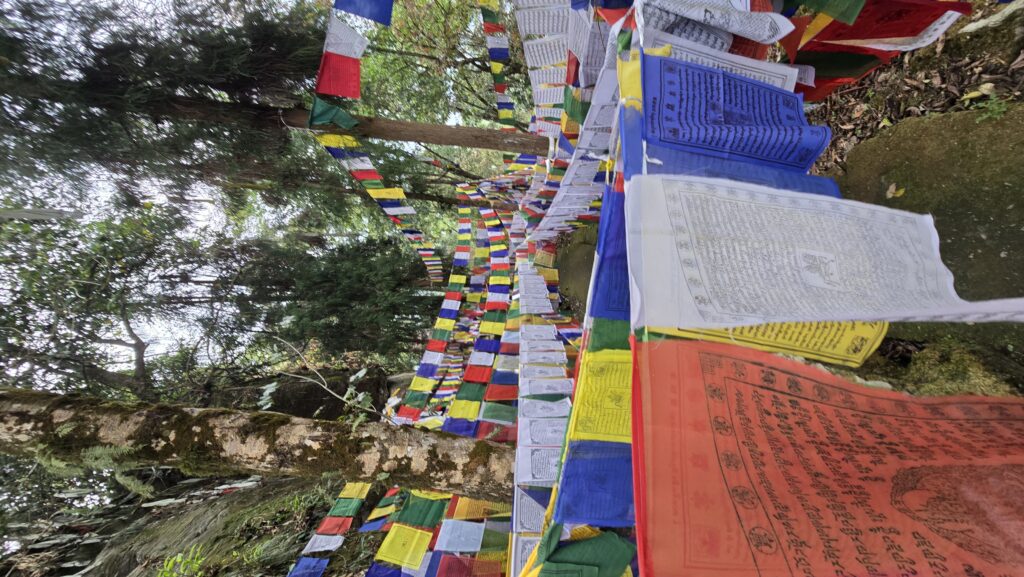
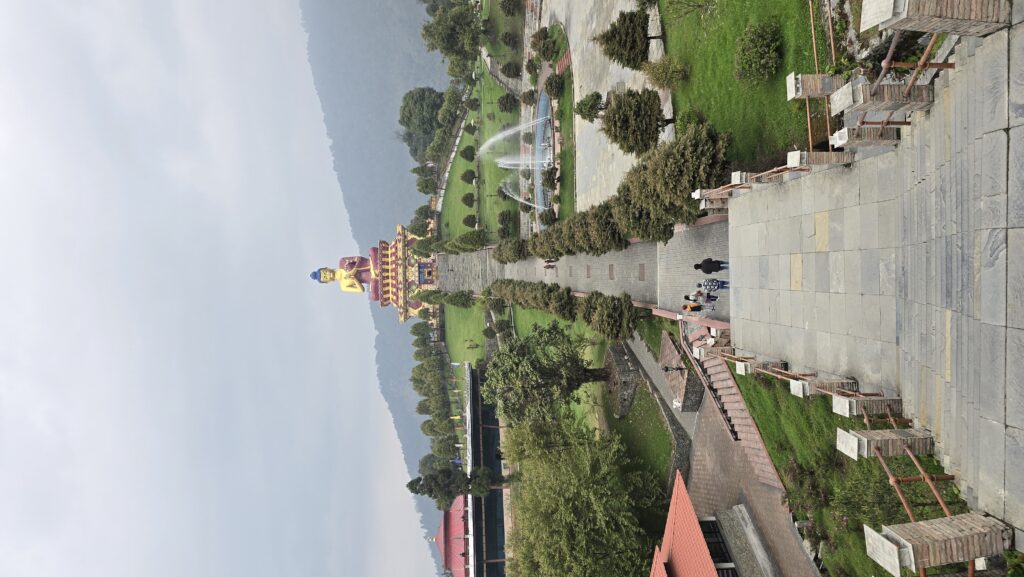
I had originally planned to travel higher into the Himalaya, but without the necessary permits, I had to change course. Spontaneously, I made my way to Varanasi—one of the oldest and most spiritually significant cities in the world. Nearby, in Sarnath, Siddhartha Gautama once began teaching his philosophy.

The Ganges flows northward in a rare bend here, which holds deep spiritual meaning. Many believe this place offers a chance to break free from the cycle of rebirth, which is why Varanasi is such an important site for end-of-life rituals—guided by the hope of attaining Moksha or Nirvana.
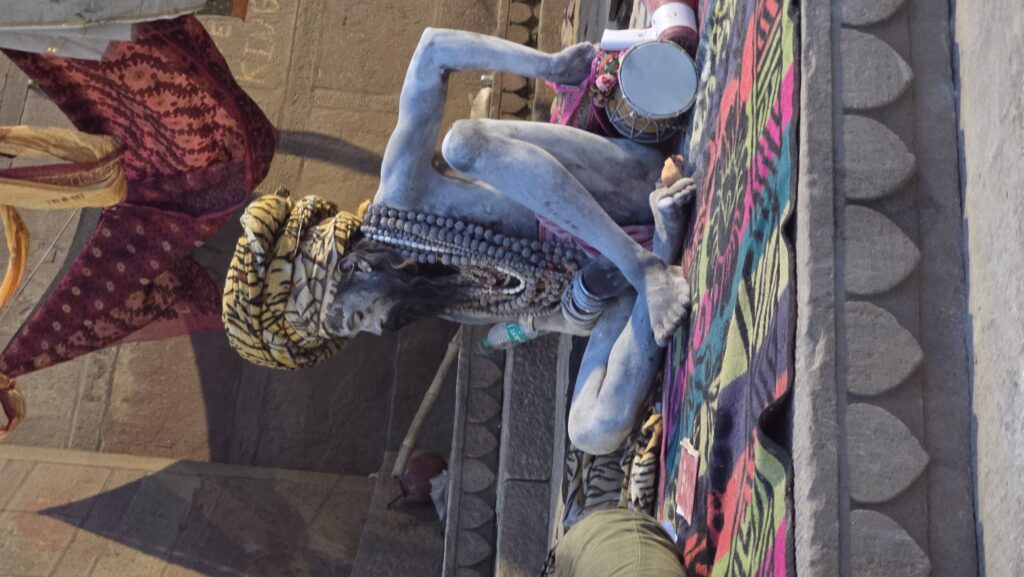
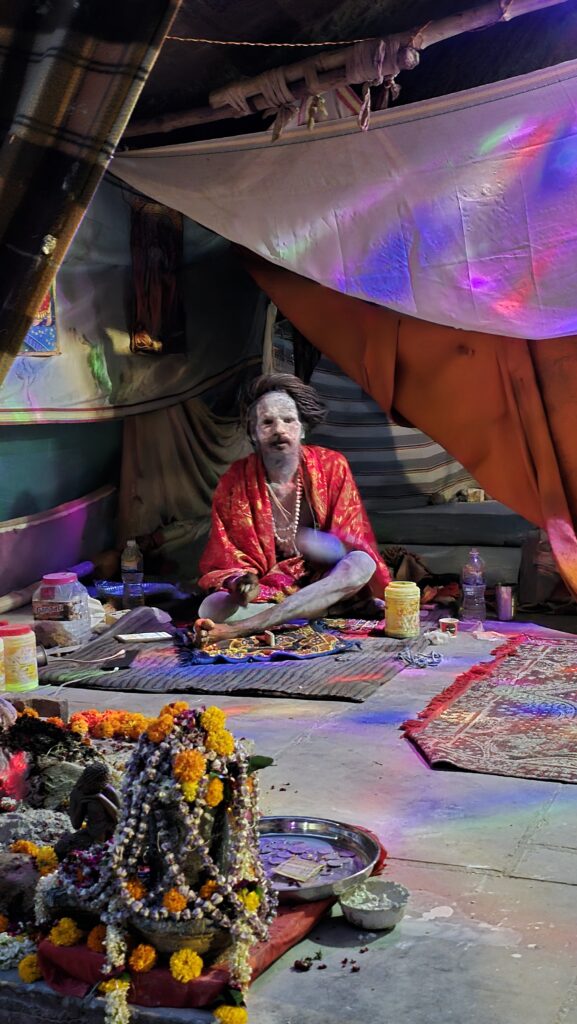
At the moment, I’m staying in Rishikesh, a city deeply rooted in spirituality, yoga, and inner reflection. Along the banks of the Ganges, everything seems to slow down and become clearer.
This journey through India is more than just traveling from place to place—it’s an inner transformation. India has always held a special place in my heart, which is why all these impressions find their way directly into my/our music.
In my latest video blog, No. 19 (DORFTV or LLTV), you’ll get even more and better insights into this trip.
Nach meiner Rückkehr von den Malediven begann für mich eine intensive Zeit zwischen Kreativität und Arbeit. Für unsere Band Ashram habe ich gemeinsam mit Shaheer und German in den letzten Wochen an den Live-Videos unseres Konzerts in der Spinnerei 2025 gearbeitet. Gleichzeitig entstehen zur Zeit neue Songs, inspiriert von allem, was ich unterwegs erlebe. Zum Abschluss meiner A to Be Worldtour werde ich meinen neuen Track „Time to Be“ samt Musikvideo veröffentlichen – eine Art musikalisches Fazit dieser Reise!
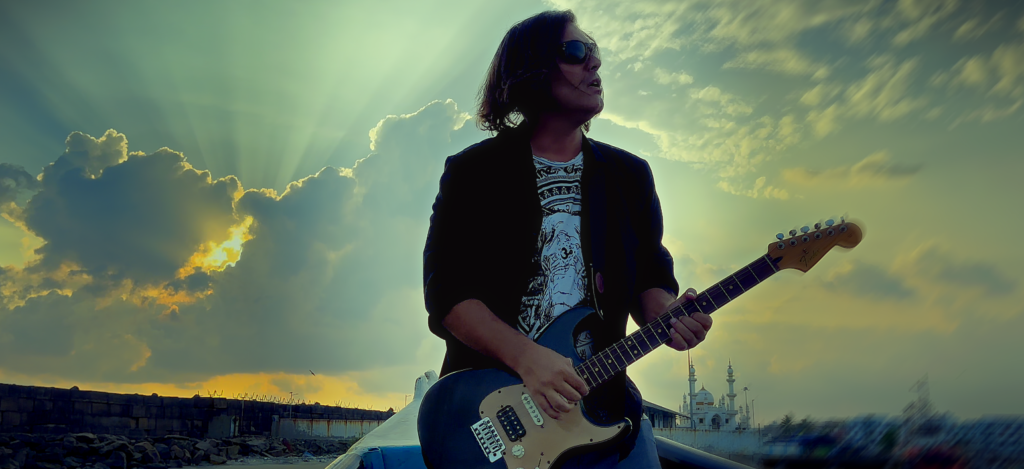
Von dort zog es mich weiter in den Norden Indiens, nach Darjeeling und Sikkim. Zwischen Nebel, Bergen und buddhistischen Klöstern. Die Gespräche mit Mönchen über Achtsamkeit, Vergänglichkeit und das Wesentliche im Leben haben mich tief berührt und nachhaltig inspiriert.
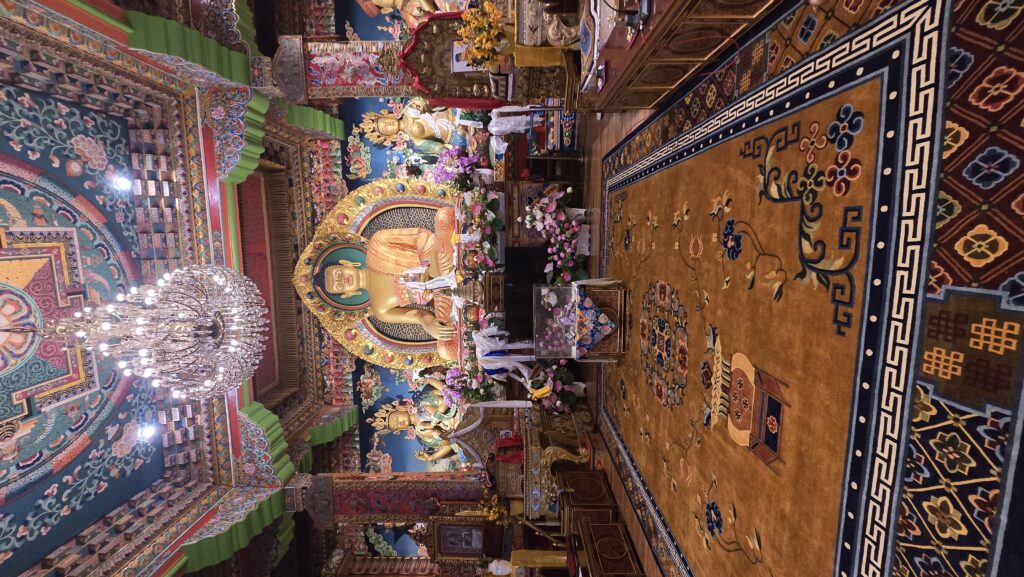
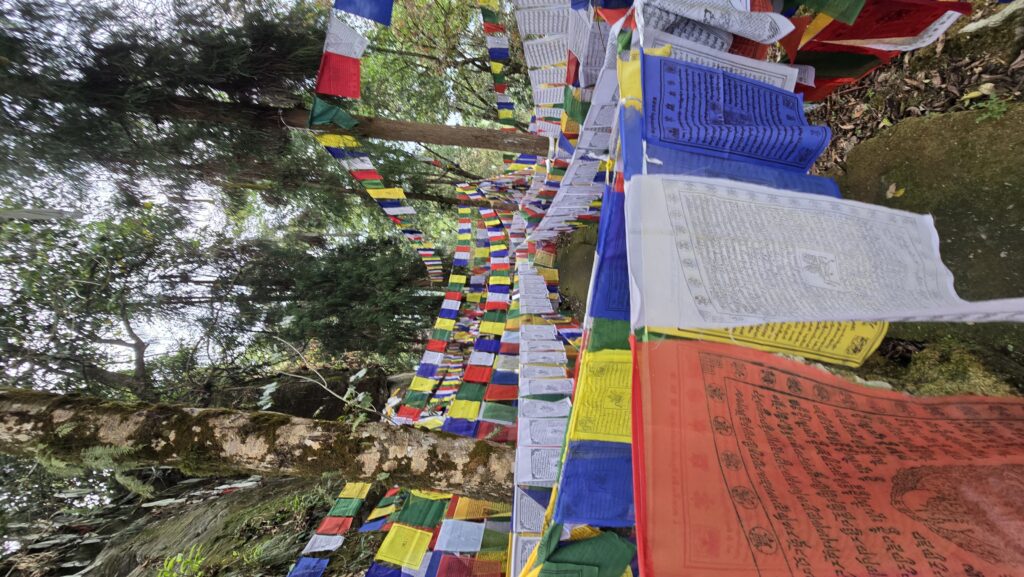
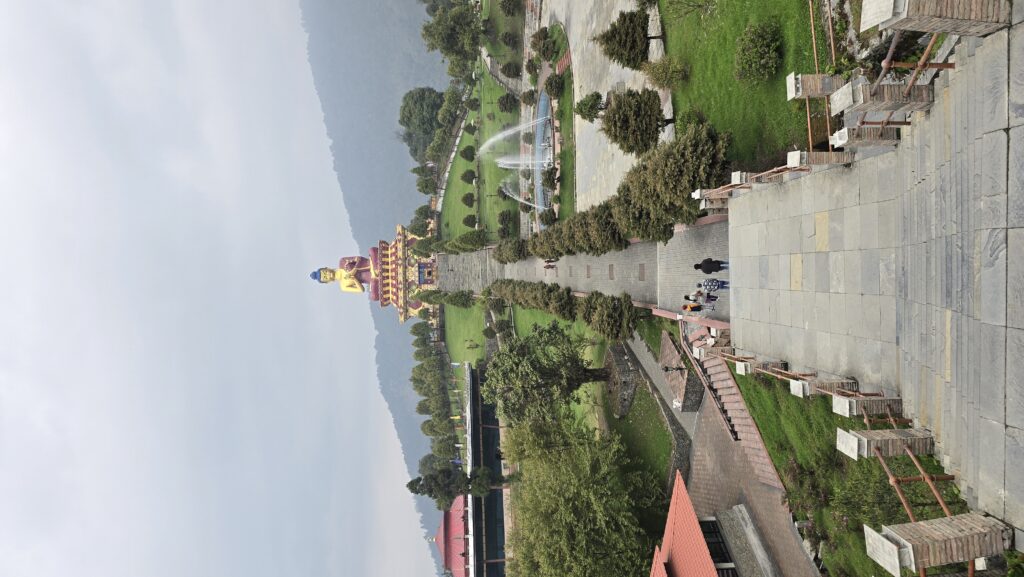
Eigentlich wollte ich noch weiter in die Höhen des Himalaya reisen, doch ohne die nötige Erlaubnis änderte ich spontan meinen Plan und machte mich auf den Weg nach Varanasi – eine der ältesten und spirituell bedeutendsten Städte der Welt. Ganz in der Nähe, in Sarnath, begann Siddhartha Gautama einst, seine Lehren zu verbreiten.

Der Ganges fließt hier in einer seltenen Schleife nach Norden, was ihm eine besondere spirituelle Bedeutung verleiht. Viele Menschen glauben, dass man hier den Kreislauf der Wiedergeburt durchbrechen kann – weshalb Varanasi ein zentraler Ort für Rituale rund um Tod und Übergang ist, in der Hoffnung auf Moksha oder Nirvana.
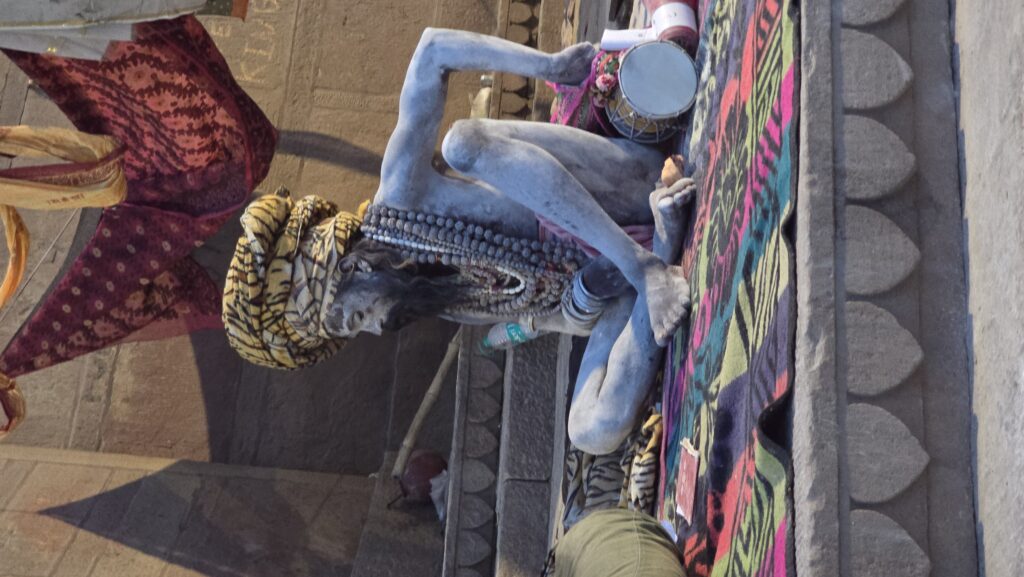
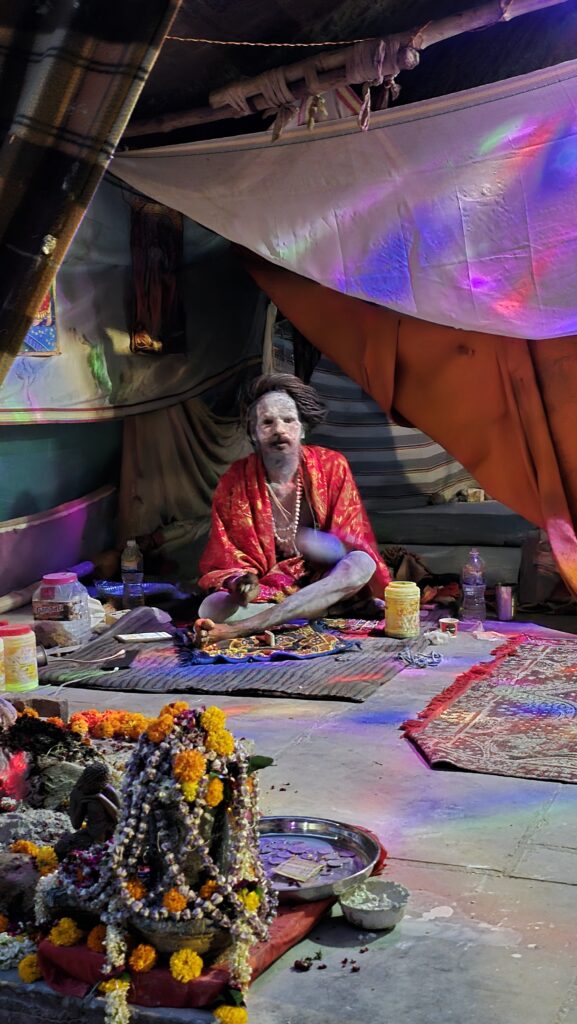
Aktuell halte ich mich in Rishikesh auf – einer Stadt, die wie kaum eine andere für Spiritualität, Yoga und innere Einkehr steht. Am Ufer des Ganges wird vieles stiller, klarer.
Diese Reise durch Indien ist für mich mehr als nur ein Ortswechsel. Indien ist immer sehr besonders für mich und deshalb fließen all diese Eindrücke direkt in meine/unsere Musik ein.
In meinem aktuellen Videoblog Nr. 19 (DORFTV oder LLTV) bekommt ihr noch weitere und bessere Einblicke zu dieser Reise.
My travel vlog #18 (watch the vlog on DORFTV or LLTV) takes you to Dhangethi, a small, idyllic island in the Maldives. To be honest, I didn’t have very high expectations at first—but I was absolutely pleasantly surprised.
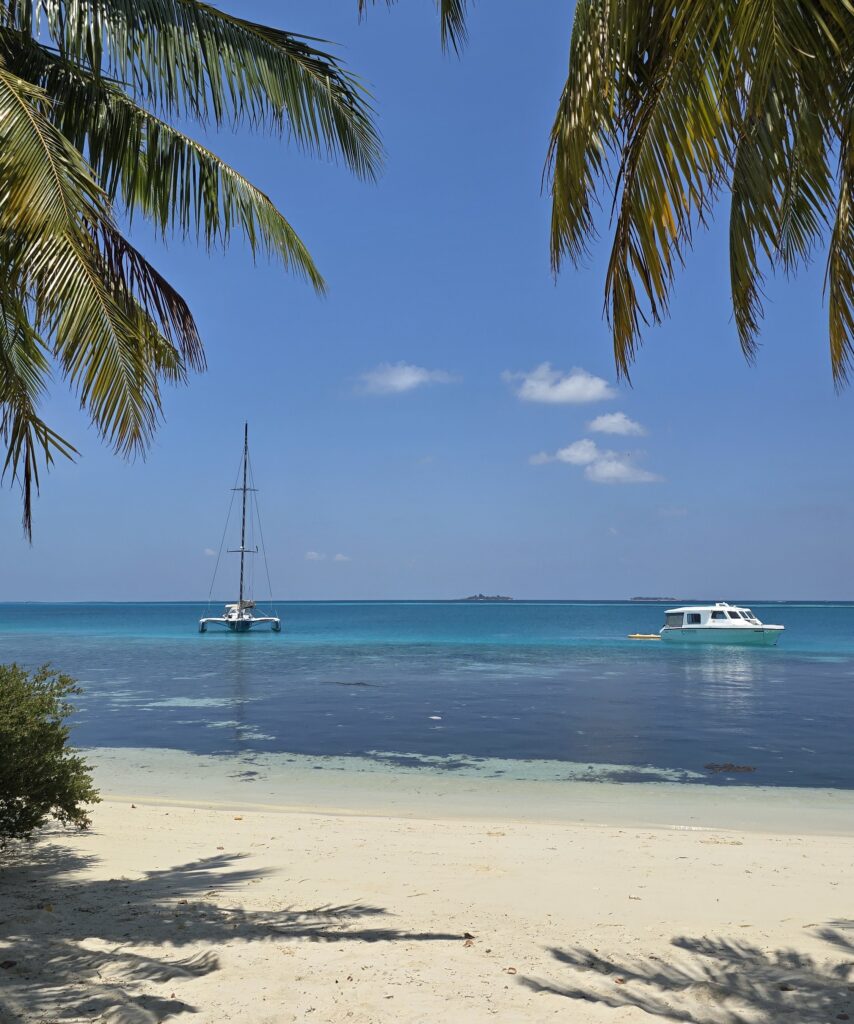
As soon as I arrived, I realized this trip was going to be something special. Due to the currently limited flight connections, there were only a few tourists there. A rare opportunity to experience the Maldives far away from mass tourism—quiet and unspoiled. Instead of crowded beaches and hectic excursions, I was able to explore the island at my own pace and really immerse myself in the surroundings.
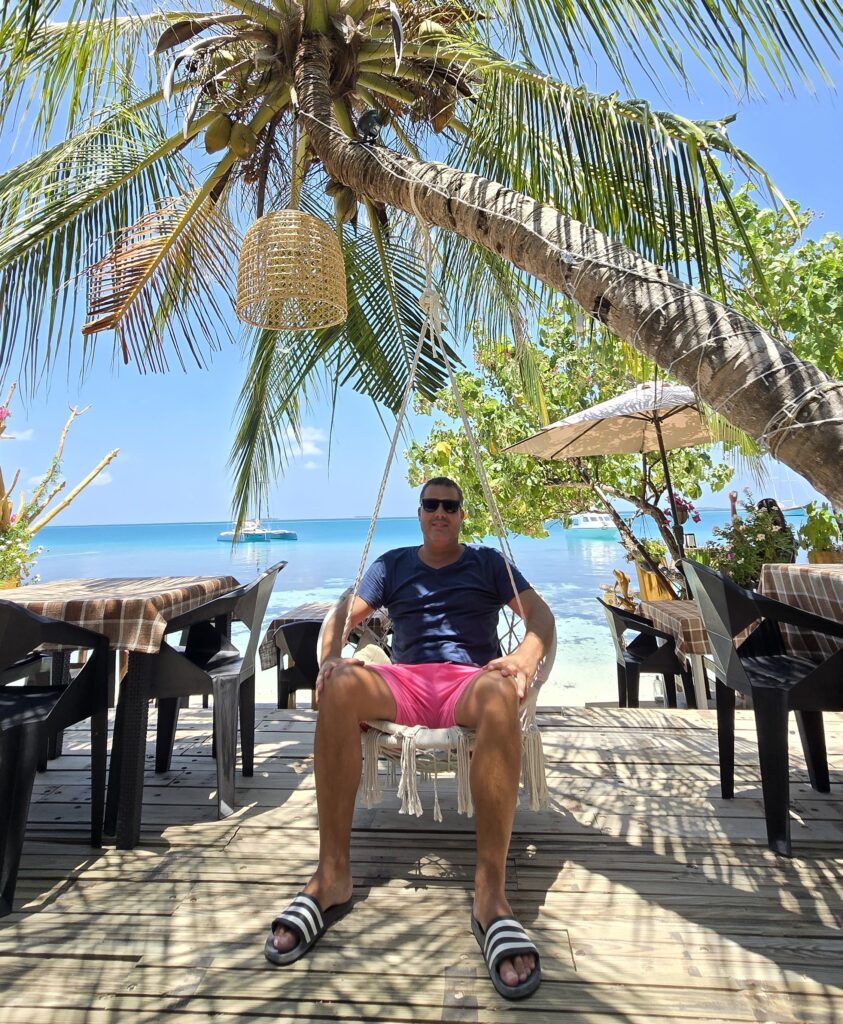
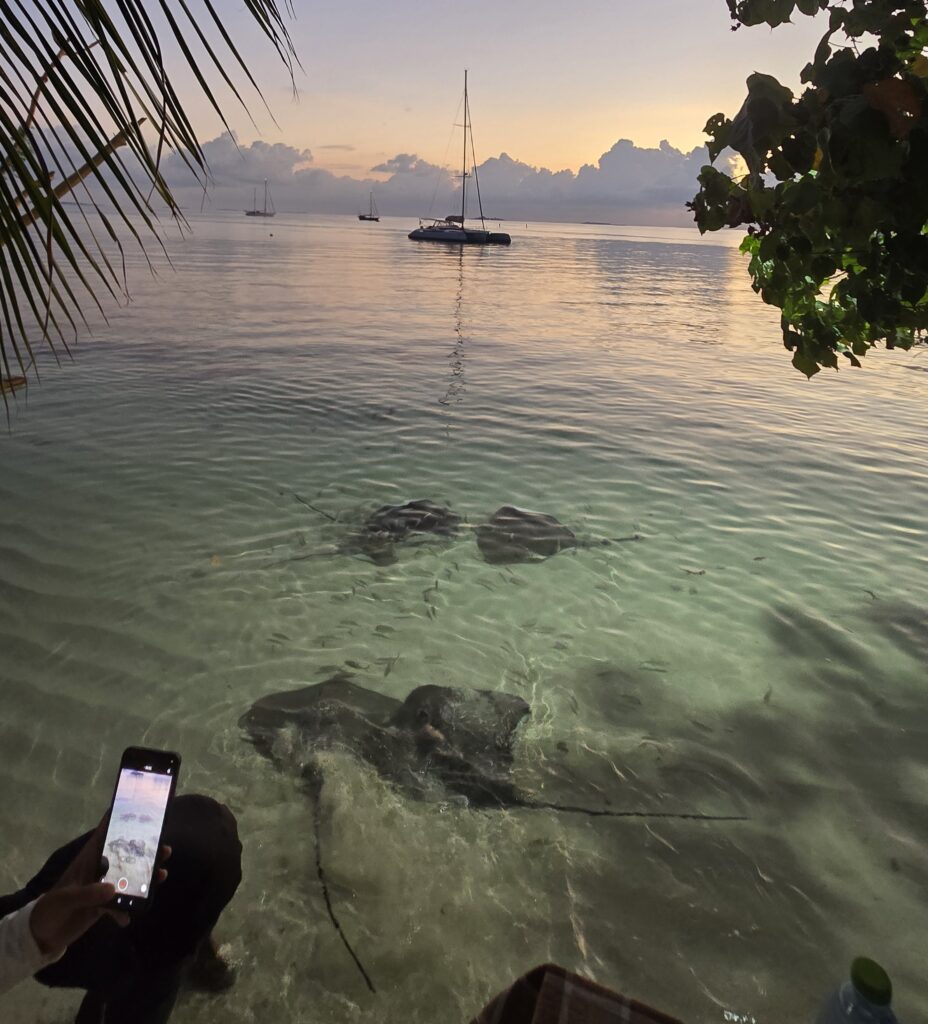
A real highlight for me was swimming with sharks and manta rays. (General info: The animals live in the wild, but some have been hand-fed and have grown accustomed to being around people.) At first, it took a lot of courage on my part—after all, you’re moving through the habitat of impressive wild animals. But thanks to the mental support of my dive instructor Ellen, as well as Sue and Nadin, I took the plunge—and didn’t regret it for a second. These encounters were simply unforgettable.
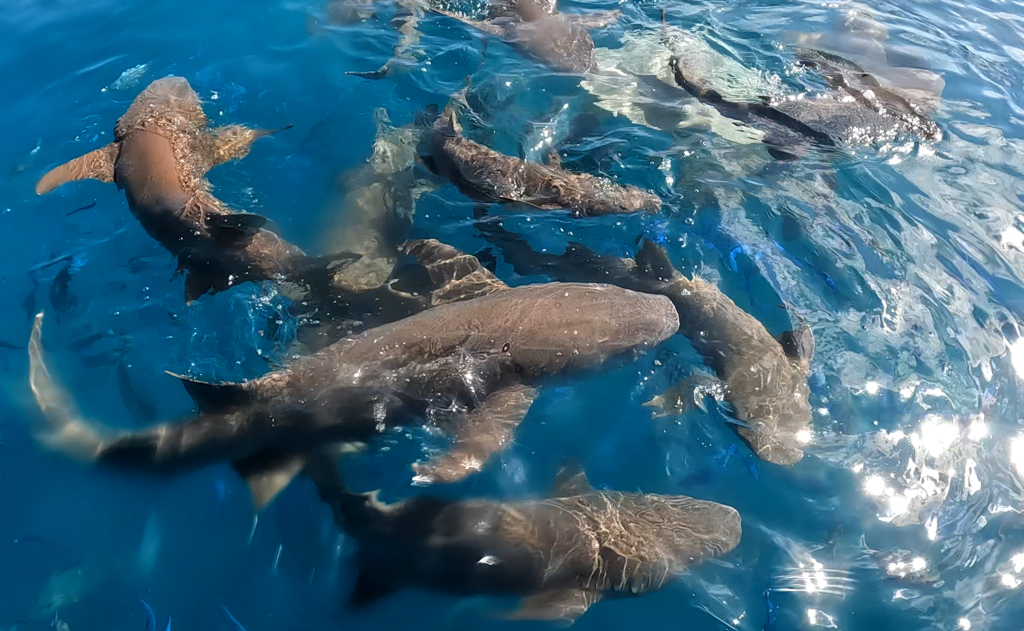
Yet it was precisely this experience that gave me pause for thought. Diving tourism in the Maldives is booming—and that doesn’t always come without consequences. Especially at heavily frequented spots, the coral reefs suffer from the high number of divers and snorkelers. Careless contact, fin slaps, or even the deliberate feeding of animals disrupt the delicate underwater balance. Corals that take decades to grow can be damaged in seconds.
Luxury tourism also plays a major role in this. The Maldives are known worldwide for their exclusive resorts, which are often located on their own islands. While these resorts are economically important, they also present challenges: high resource consumption, interference with nature, and, in some cases, the displacement of local communities. In conversations on the ground, I also realized that some fish species have become rarer or have nearly disappeared from certain areas due to tourism. This affects not only the ecosystem but also the livelihoods of the local population.
This made my experience on Dhangethi itself all the more valuable—an island that feels even more authentic compared to the luxury resorts. Here, I was also able to visit the local school and get a sense of the educational environment. Particularly fascinating was my conversation with the school principal, “Vanan,” who gave me insights into daily life on the island.
If you ever have the chance to visit the dream island of Dhangethi, be sure to take it. But travel mindfully: choose sustainable providers, respect nature, and leave as little trace as possible. Only in this way can this fragile paradise be preserved for future generations.
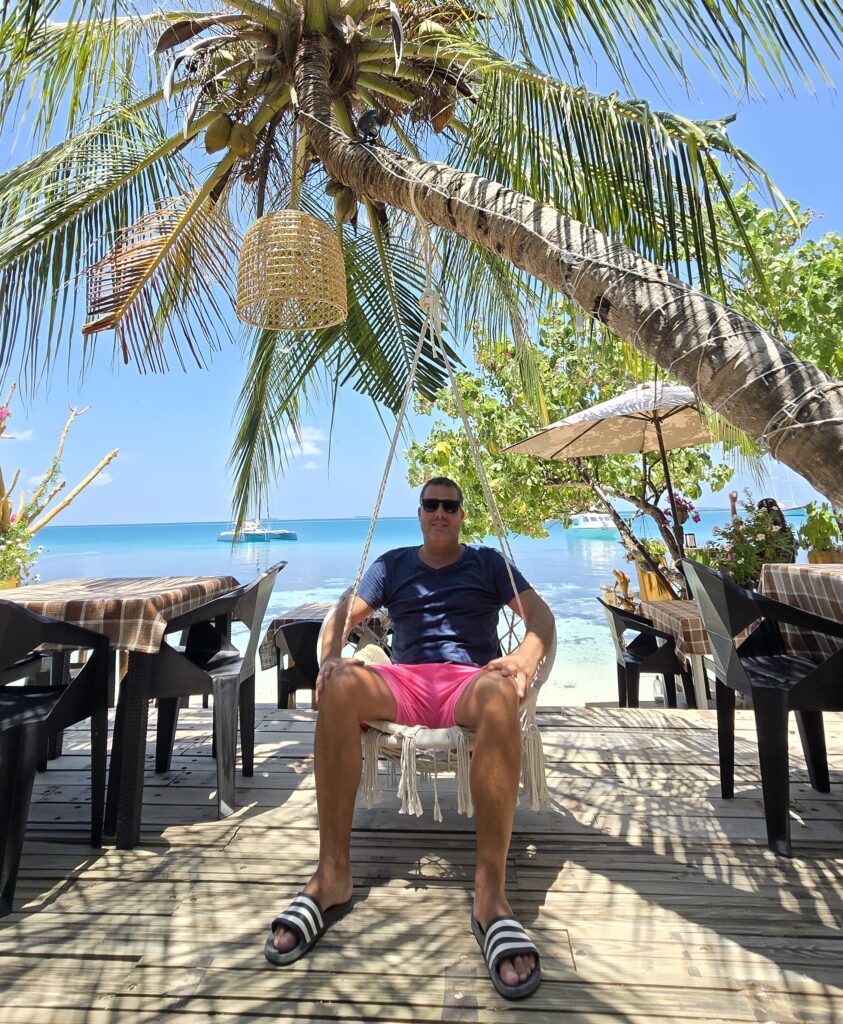
I highly recommend the Hotel Retreat Dhangethi and a diving tour with Ellen. I’d also like to take this opportunity to say a big thank you to Sachin and Aslam, who recommended this island to me beforehand! Now on to the next stop…
Here’s the link to Vlog No. 18:
A to Be Worldtour Vlog 18 | Dhangethi | dorftv
Mein Reisevlog Nr. 18 (siehe Vlog auf DORFTV oder LLTV) führt euch nach Dhangethi, einer kleinen, traumhaften Insel auf den Malediven. Ehrlich gesagt hatte ich anfangs keine allzu großen Erwartungen – doch ich wurde absolut positiv überrascht.
Schon bei der Ankunft wurde mir klar, dass diese Reise etwas Besonderes werden würde. Durch die aktuell eingeschränkten Flugverbindungen waren nur wenige Touristen vor Ort. Eine seltene Gelegenheit, die Malediven fernab von Massentourismus zu erleben – ruhig und ursprünglich. Statt überfüllter Strände und hektischer Ausflüge konnte ich die Insel in meinem eigenen Tempo entdecken und mich wirklich auf die Umgebung einlassen.
Ein absolutes Highlight war für mich das Schwimmen mit Haien und Mantas. (Allgemeine Info: Die Tiere leben frei, wurden jedoch teilweise angefüttert und haben sich an die Nähe von Menschen gewöhnt.) Anfangs hat mich das einiges an Überwindung gekostet – schließlich bewegt man sich hier im Lebensraum beeindruckender Wildtiere. Doch dank der mentalen Unterstützung meiner Tauchlehrerin Ellen sowie Sue und Nadin habe ich mich getraut – und es keine Sekunde bereut. Diese Begegnungen waren einfach unvergesslich.
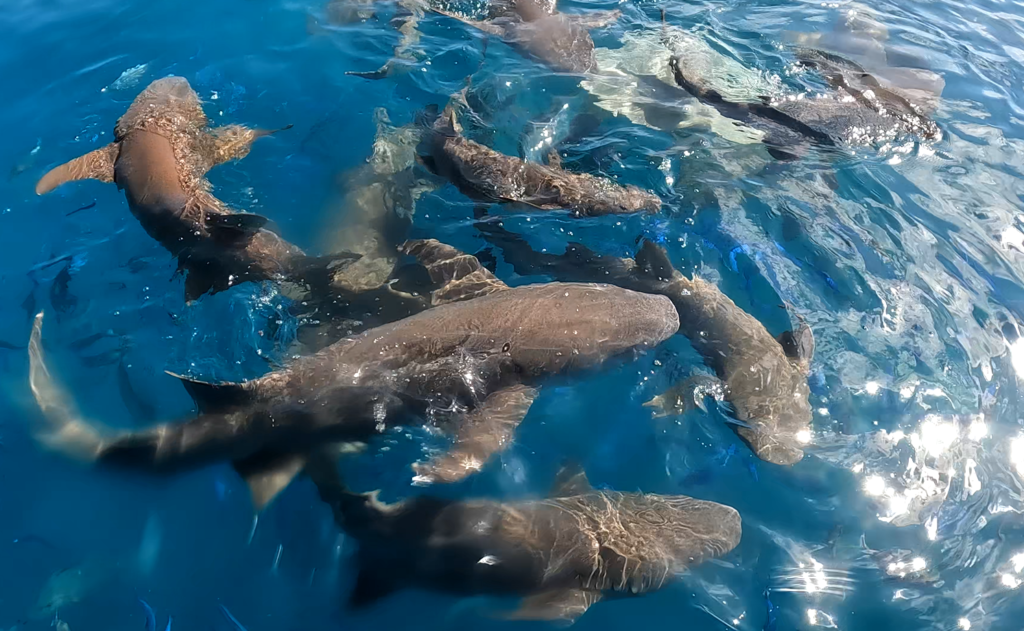
Dennoch hat mich genau dieses Erlebnis auch nachdenklich gemacht. Der Tauchtourismus auf den Malediven boomt – und das nicht immer ohne Folgen. Gerade an stark frequentierten Spots leiden die Korallenriffe unter der hohen Anzahl an Tauchern und Schnorchlern. Unachtsame Berührungen, Flossenschläge oder auch das bewusste Anfüttern von Tieren verändern das empfindliche Gleichgewicht unter Wasser. Korallen, die Jahrzehnte zum Wachsen brauchen, können in Sekunden beschädigt werden.
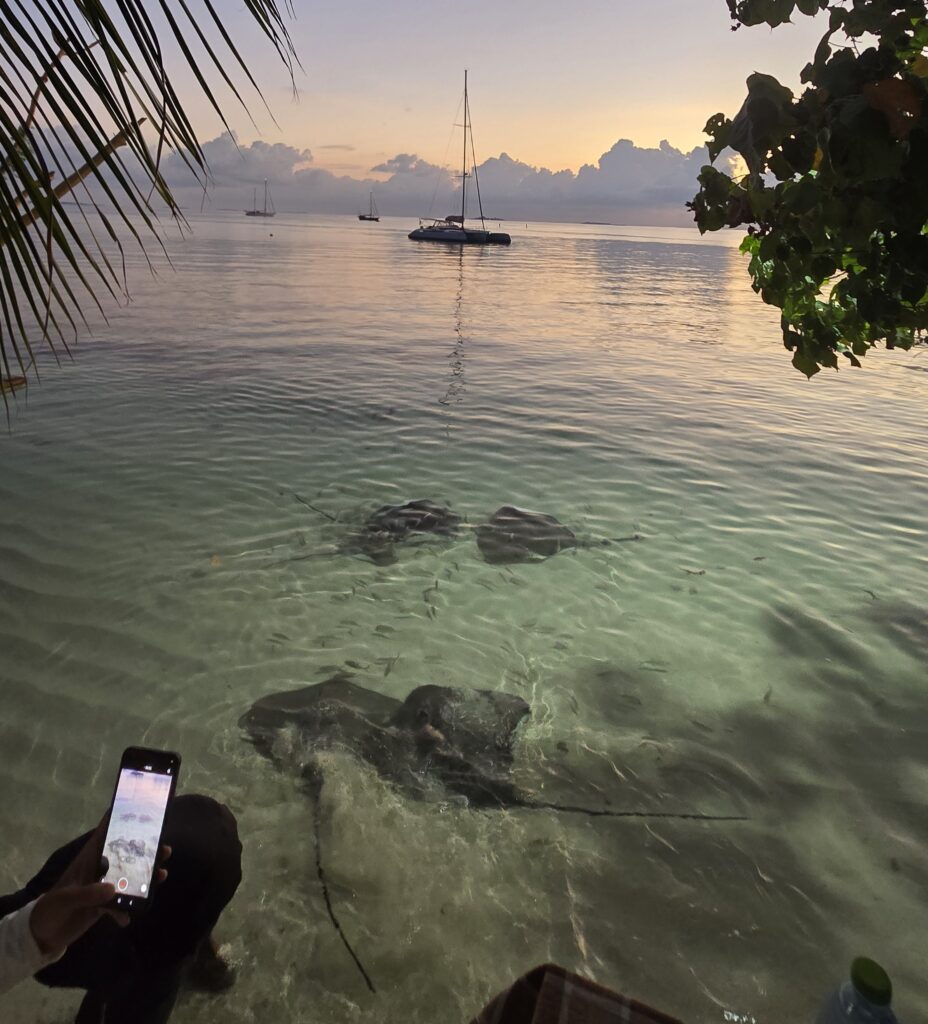
Auch der Luxustourismus spielt dabei eine große Rolle. Die Malediven sind weltweit bekannt für ihre exklusiven Resorts, die oft auf eigenen Inseln liegen. Während diese Anlagen wirtschaftlich wichtig sind, bringen sie auch Herausforderungen mit sich: hoher Ressourcenverbrauch, Eingriffe in die Natur und teilweise eine Verdrängung lokaler Strukturen. In Gesprächen vor Ort wurde mir zudem bewusst, dass einige Fischarten durch touristische Einflüsse seltener geworden oder in bestimmten Gebieten fast verschwunden sind. Das wirkt sich nicht nur auf das Ökosystem aus, sondern auch auf die Lebensgrundlage der einheimischen Bevölkerung.
Umso wertvoller war für mich die Erfahrung auf Dhangethi selbst – einer Insel, die im Vergleich zu den Luxusresorts noch authentischer wirkt. Hier konnte ich auch die lokale Schule besuchen und mir ein Bild von der pädagogischen Betreuung machen. Besonders spannend war das Gespräch mit dem Schuldirektor „Vanan“, der mir Einblicke in den Alltag des Insellebens gegeben hat.
Wenn ihr jemals die Chance habt, die Trauminsel Dhangethi zu besuchen, nutzt sie unbedingt. Doch reist bewusst: Achtet auf nachhaltige Anbieter, respektiert die Natur und hinterlasst möglichst wenig Spuren. Nur so kann dieses fragile Paradies auch für kommende Generationen erhalten bleiben.
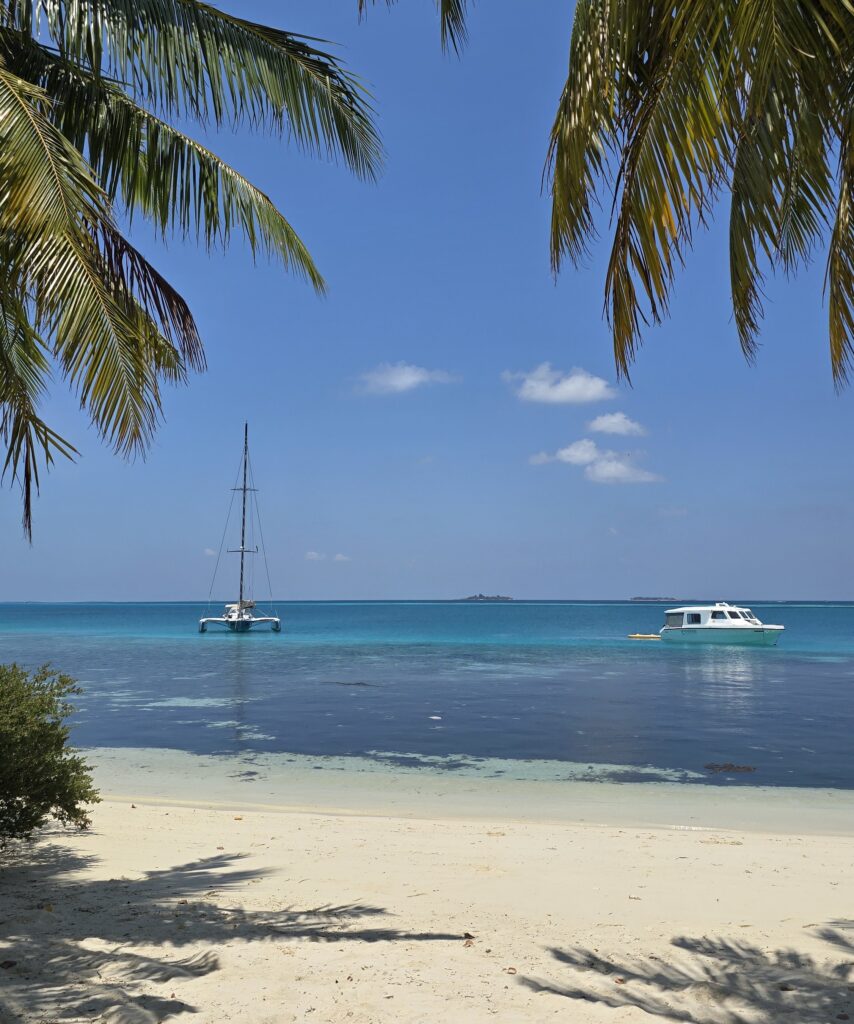
Besonders empfehlen kann ich das Hotel Retreat Dhangethi sowie eine Tauchtour mit Ellen. An dieser Stelle ein großes Dankeschön auch an Sachin und Aslam, die mir diese Insel im Voraus empfohlen haben! Nun geht´s zur nächsten Station…
Hier der Link zum Vlog Nr. 18:
A to Be Worldtour Vlog 18 | Dhangethi | dorftv