Dominican Republic – Between paradise, history and personal moments (EN)

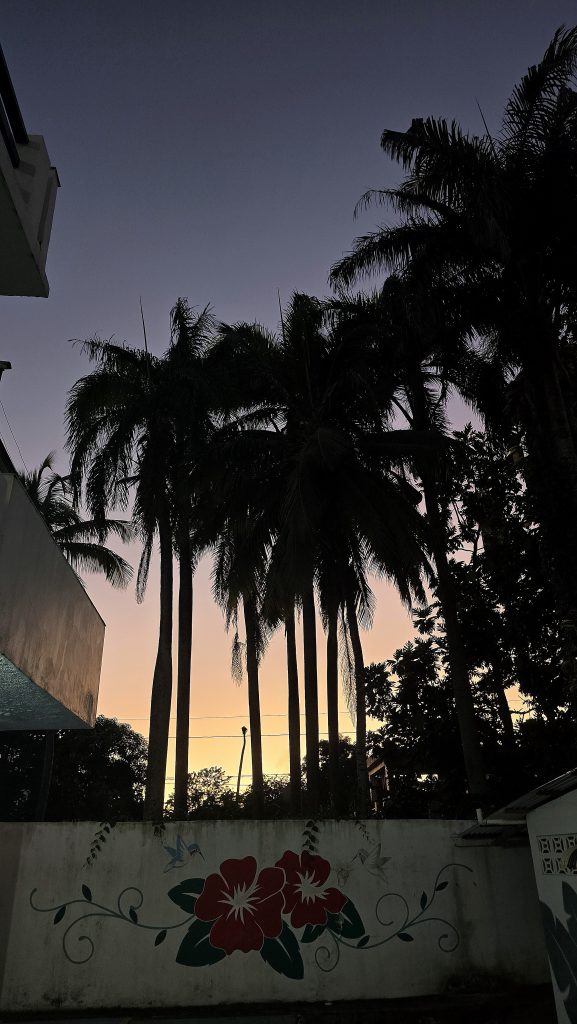
For many, the Dominican Republic is synonymous with white beaches, palm trees and all-inclusive resorts. For me, however, on my A to Be World Tour 2025/26, it was one thing above all else: a place where beauty and history are closely intertwined – sometimes uncomfortable, sometimes moving.

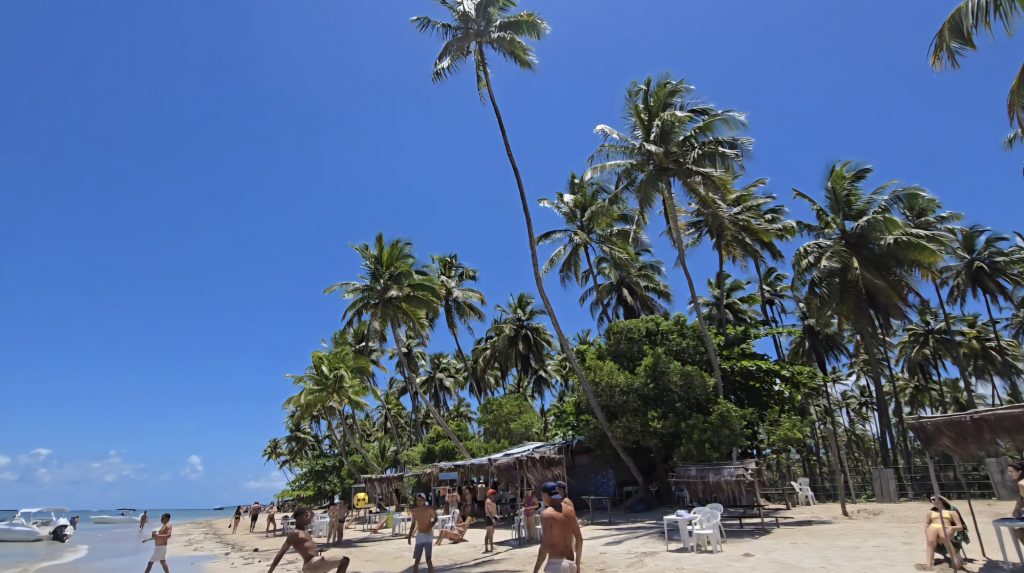
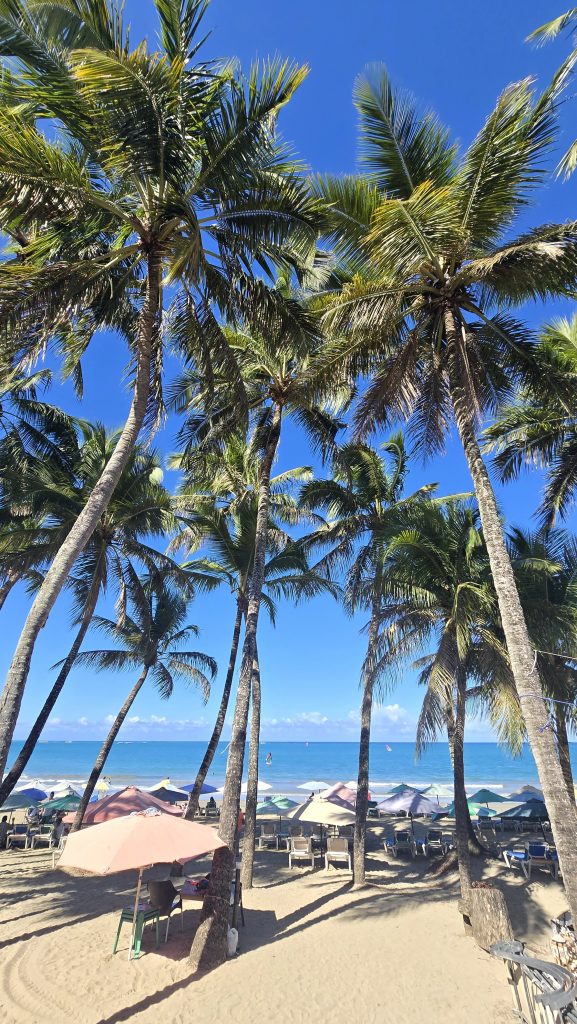
Beautiful beach in Cabarete

With the arrival of Christopher Columbus in 1492, a new chapter in world history began on Hispaniola, the island now shared by Haiti and the Dominican Republic – but it was a chapter with dark shadows. The indigenous population, especially the Taíno, was almost completely wiped out within a few decades. Forced labour, violence and disease made centuries of life invisible.

When there was a shortage of indigenous labour, the systematic importation of enslaved people from Africa began. Sugar cane, gold and later other colonial trades made the island an economic hub of the Spanish colonial empire – at the expense of human lives. This past is still palpable today, even if it is often obscured by everyday tourist life. If you look more closely, you can see how much history has shaped identity, culture and social structures.

Out of the dark – into the light

Puerto Plata – Falco Wall

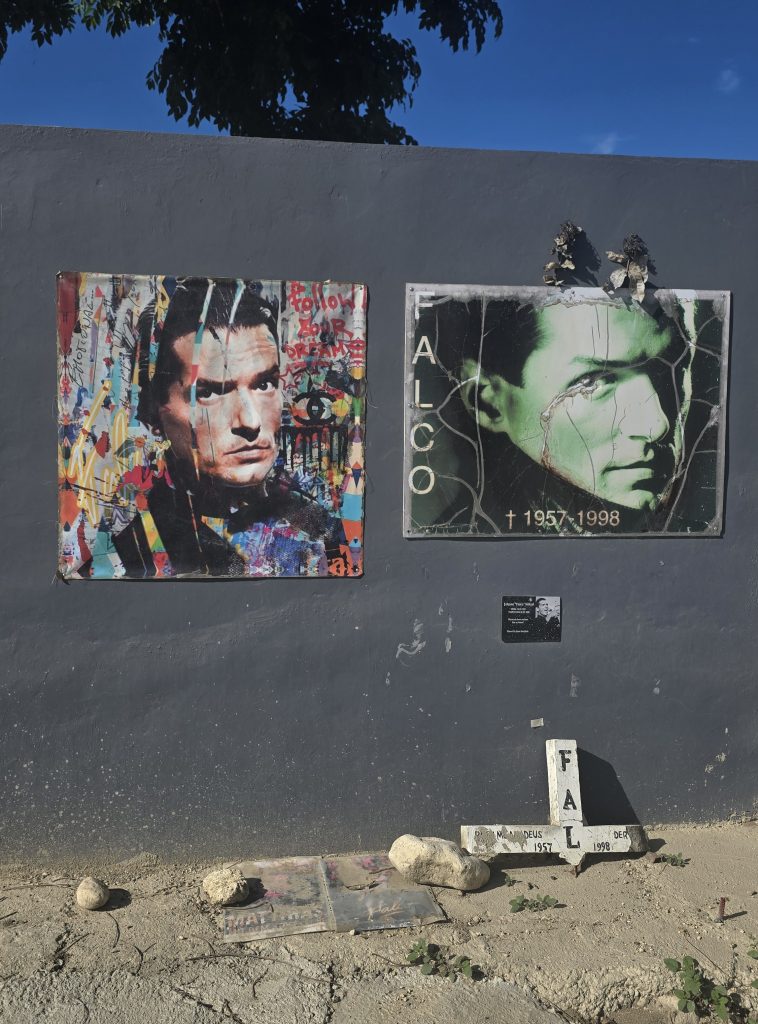
A very personal moment of my trip took me to Puerto Plata, to the so-called Falco Wall. This is where the tragic accident involving Falco, one of the most influential German-speaking artists, occurred in 1998. I am not a fan of sensational places, but this place had something calm and contemplative about it for me.

Falco Wall

Between dream setting and reality

The Dominican Republic has shown me once again that travelling can be more than just consumption. Behind every dream backdrop there is a story, behind every postcard view there is a reality. That is exactly what makes this stop on my world tour so valuable: not just seeing places, but understanding them.

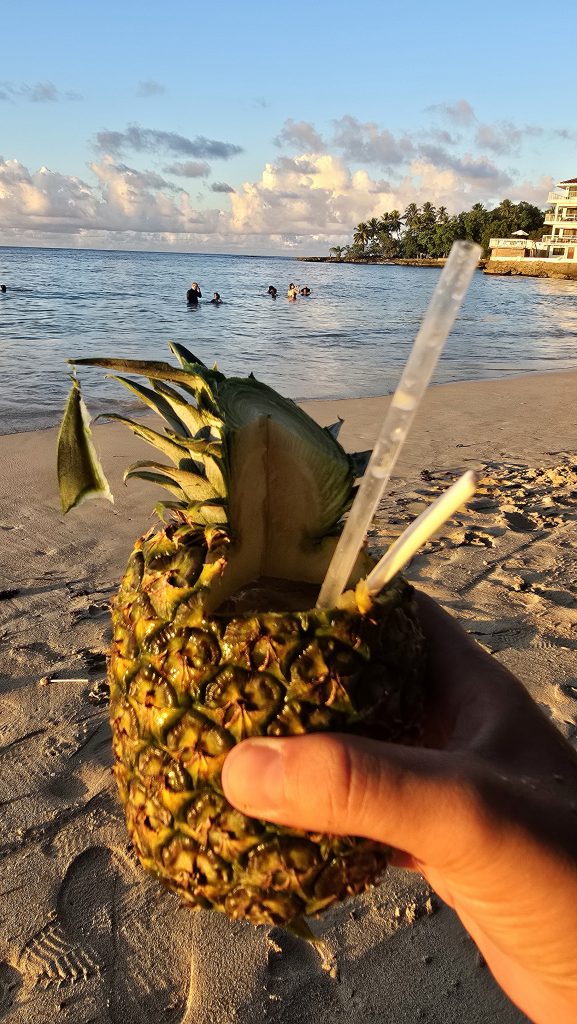
Piña colada am Strand von Rio San Juan

Sometimes travelling does not mean escaping everyday life – but getting closer to the truth.
Dominikanische Republik – Zwischen Paradies, Vergangenheit und persönlichen Momenten (DE)

Die Dominikanische Republik ist für viele ein Synonym für weiße Strände, Palmen und All-Inclusive-Resorts. Für mich war sie auf meiner A to Be Worldtour 2025/26 jedoch vor allem eines: ein Ort, an dem Schönheit und Geschichte eng miteinander verwoben sind – manchmal unbequem, manchmal bewegend.

Traumstrand in Cabarete

Ein kurzer Blick zurück: Kolonialgeschichte und verdrängte Wahrheiten

Mit der Ankunft von Christoph Kolumbus im Jahr 1492 begann auf Hispaniola, der Insel, die sich heute Haiti und die Dominikanische Republik teilen, ein neues Kapitel der Weltgeschichte – allerdings eines mit dunklen Schatten. Die indigene Bevölkerung, vor allem die Taíno, wurde innerhalb weniger Jahrzehnte nahezu vollständig ausgelöscht. Zwangsarbeit, Gewalt und Krankheiten machten ein jahrhundertealtes Leben unsichtbar.

Als die indigenen Arbeitskräfte fehlten, begann der systematische Import versklavter Menschen aus Afrika. Zuckerrohr, Gold und später andere koloniale Geschäfte machten die Insel zu einem wirtschaftlichen Knotenpunkt des spanischen Kolonialreichs – auf Kosten menschlicher Leben. Diese Vergangenheit ist bis heute spürbar, auch wenn sie im touristischen Alltag oft überdeckt wird. Wer genauer hinsieht, erkennt, wie sehr Geschichte Identität, Kultur und soziale Strukturen geprägt hat.

Out of the dark – into the light

Puerto Plata und die Falco Wall

Ein sehr persönlicher Moment meiner Reise führte mich nach Puerto Plata, an die sogenannte Falco Wall. Hier ereignete sich 1998 der tragische Unfall von Falco, einem der prägendsten deutschsprachigen Künstler. Ich bin kein Fan von Sensationsorten, aber dieser Platz hatte für mich etwas Ruhiges, Nachdenkliches.

Falco Wall

Kein großes Schild, kein Spektakel. Nur eine Wand und die Erinnerung wo der tragische Unfall passierte. Es ist ein Ort, der daran erinnert, wie plötzlich alles enden kann, selbst für Menschen, die scheinbar unantastbar sind. Für mich war es ein Moment des Innehaltens, des Respekts und der Dankbarkeit für Musik, die geblieben ist.

Zwischen Traumkulisse und Realität

Die Dominikanische Republik hat mir einmal mehr gezeigt, dass Reisen mehr sein kann als Konsum. Hinter jeder Traumkulisse steckt eine Geschichte, hinter jeder Postkartenansicht eine Realität. Genau das macht diese Station meiner Weltreise so wertvoll: nicht nur Orte zu sehen, sondern sie zu verstehen.

Piña colada am Strand von Rio San Juan

Manchmal bedeutet Reisen nicht, dem Alltag zu entfliehen – sondern der Wahrheit näherzukommen.

Brasil Brazil… (EN)

Brazil is an incredibly vast country—so vast that even after weeks you barely scratch the surface. And yet, I was lucky enough to get to know several beautiful and very different places in greater depth. Each of them left behind its own unique energy.

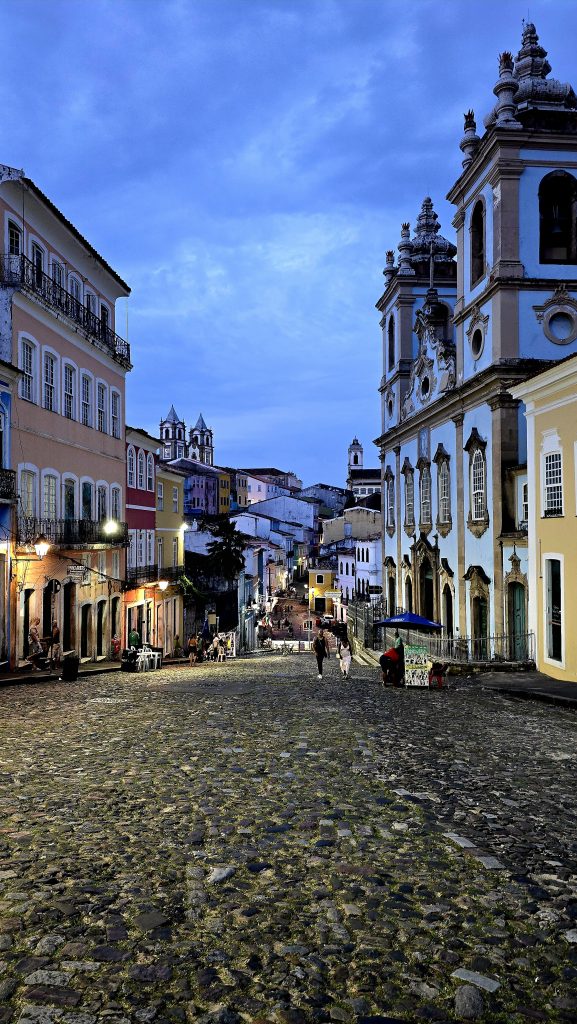
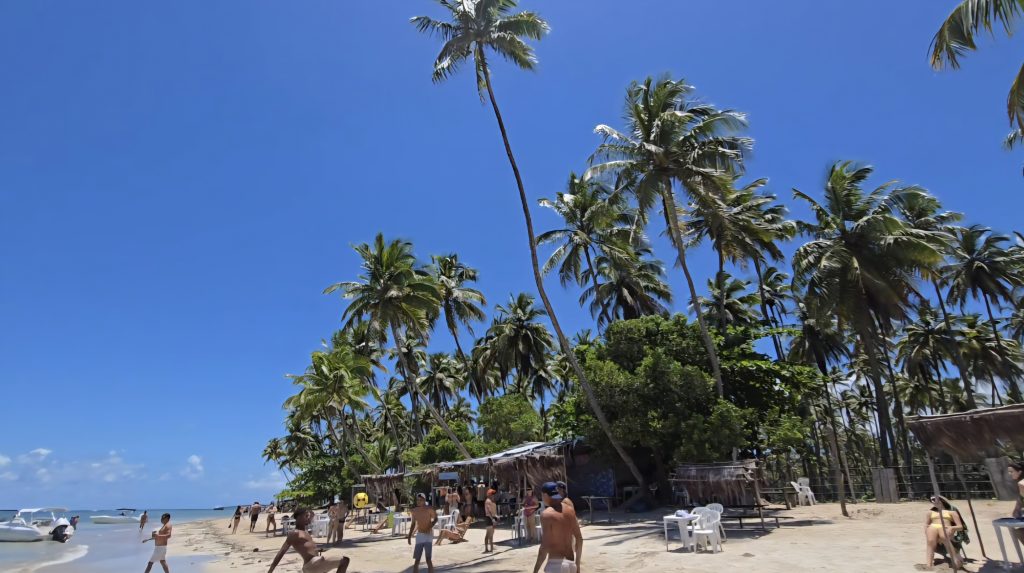
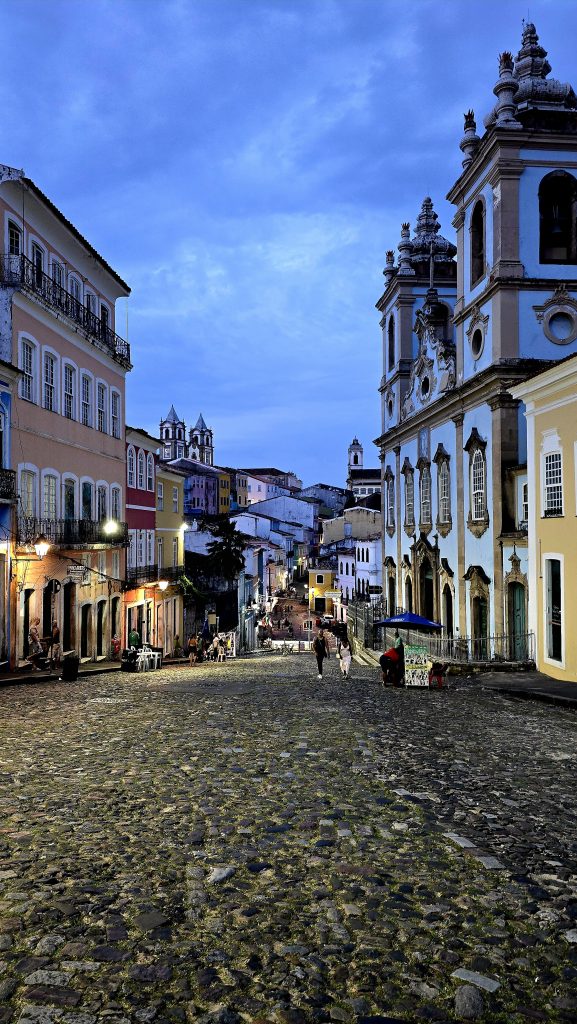
My journey first took me to Salvador. From the moment you arrive, you can feel the city’s special rhythm. The historic old town, with its colorful houses, cobblestone streets, and colonial façades, feels almost like a living museum. At the same time, everything is full of life: music on every corner, the scent of street food in the air, and the laughter of people. I was especially impressed by the beaches around Salvador—unique, expansive, and full of contrasts. Here, Atlantic waves meet history, and you quickly lose all sense of time.

From there, I continued on to São Paulo—a complete contrast. Loud, enormous, overwhelming. The reason for this stop was a very special one: the last Oasis concert at Morumbi Stadium. It was an unforgettable evening, not only because of the music, but also because I was able to experience this concert with two wonderful friends. The atmosphere was electric, full of emotion and nostalgia. An extra highlight was The Verve as the opening act—a moment that has stayed with me to this day. Music has the power to merge places and moments in time, and that is exactly what happened that night.

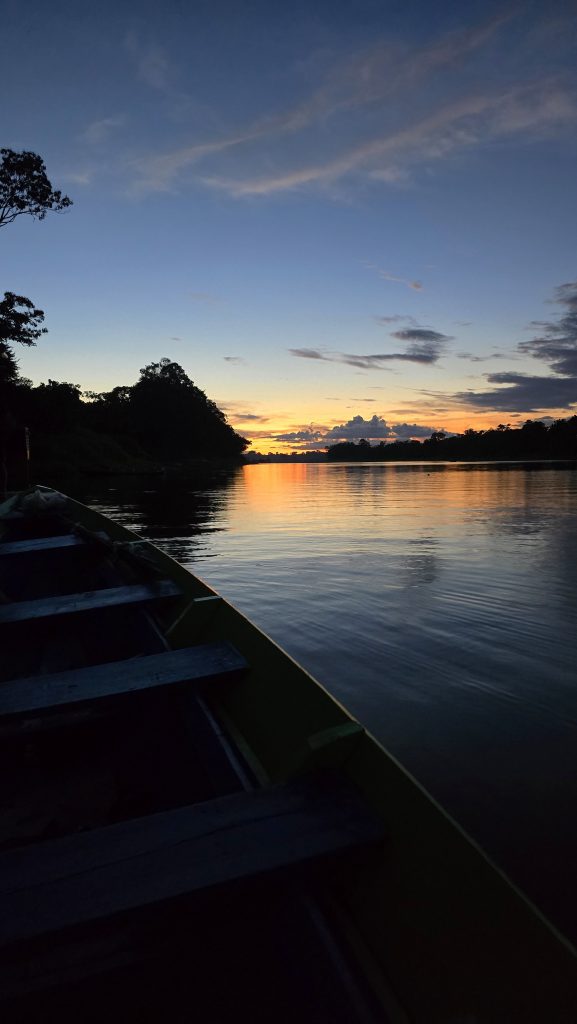
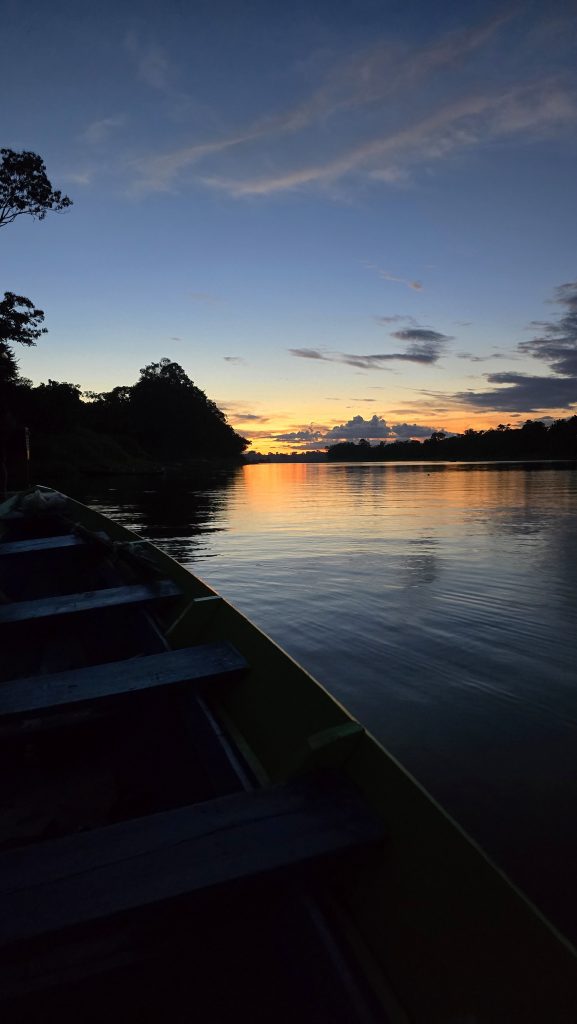
The final stop of my journey took me deep into a completely different world: the Amazon rainforest. Here, everything became slower, more intense, and more primal. This time was especially meaningful to me because I gained so many new impressions—from the nature and the sounds of the jungle to an entirely new understanding of life in harmony with the environment.

The Amazon rainforest is considered the most species-rich habitat on Earth. According to estimates, several million animal and plant species live there – many of which have not yet been scientifically researched. Every day, new insects, plants or microorganisms are discovered, making the Amazon one of the most important research areas on our planet.

The Amazon River itself is the world’s largest river in terms of water volume. It carries more water than the next seven largest rivers combined and even influences the climate far beyond South America. The enormous evaporation creates so-called ‘flying rivers’ – huge streams of moisture that bring rain as far as central and southern Brazil.

Another fascinating detail: the rainforest produces a large part of its own rain. Trees release water vapour through their leaves, creating a stable, self-sustaining ecosystem. If this balance is disturbed, it can have dramatic consequences for the global climate.

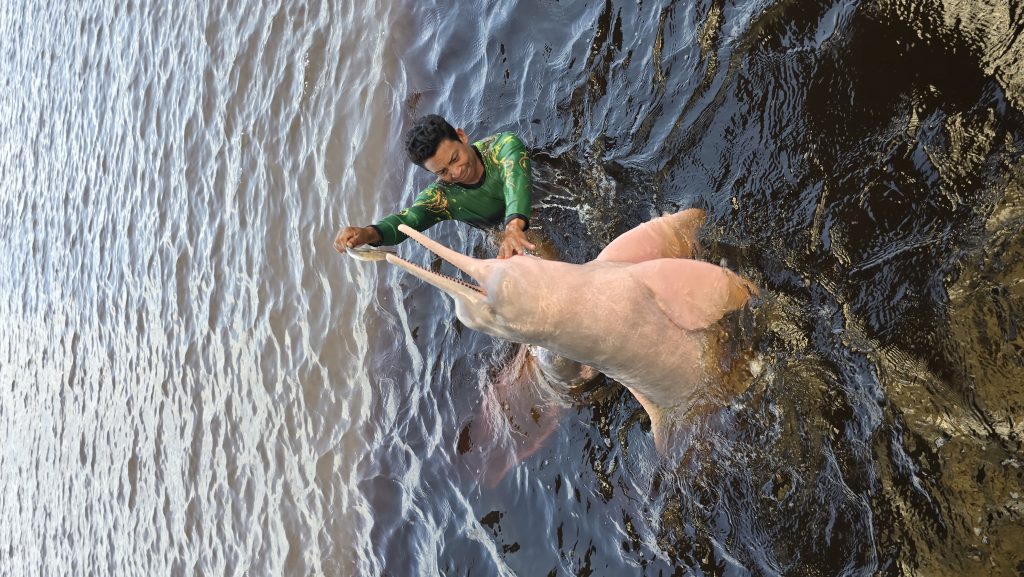
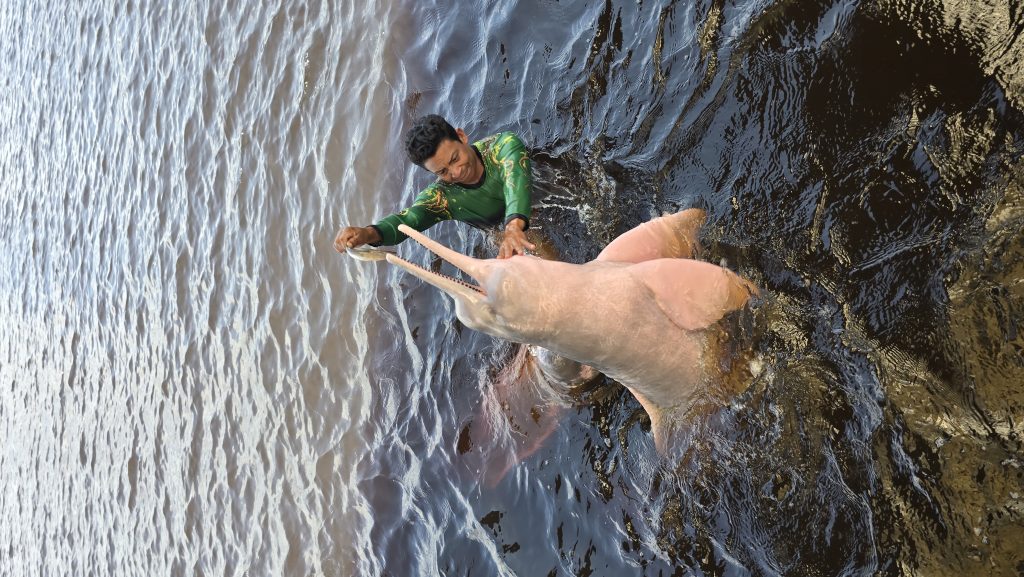
A truly special experience was encountering the Boto river dolphins.
The pink botos of the Amazon are not only beautiful—they are living witnesses to an extraordinary geological history. Millions of years ago, the Amazon Basin was a vast inland sea. Only when the Andes slowly rose from the earth was this sea cut off from the ocean. Trapped in newly formed freshwater worlds, the ancestors of today’s river dolphins adapted—and evolved into the unique botos. Being so close to them was magical and once again showed me how closely nature, history, and life are intertwined.

This journey through Brazil was loud and quiet, wild and gentle, urban and completely untouched. Brasil Brazil—a country that stays with you.

Brasil Brazil … (DE)

Brasilien ist ein unglaublich großes Land – so groß, dass man selbst nach Wochen nur an der Oberfläche kratzt. Und doch hatte ich das Glück, einige wunderschöne und sehr unterschiedliche Orte intensiver kennenzulernen. Jeder von ihnen hat seine ganz eigene Energie hinterlassen.

Meine Reise führte mich zunächst nach Salvador. Schon beim Ankommen spürt man den besonderen Rhythmus dieser Stadt. Die Altstadt mit ihren bunten Häusern, Kopfsteinpflastergassen und kolonialen Fassaden wirkt fast wie ein lebendiges Museum. Gleichzeitig ist alles voller Leben: Musik an jeder Ecke, der Duft von Streetfood in der Luft und das Lachen der Menschen. Besonders beeindruckt haben mich die Strände rund um Salvador – einzigartig, weitläufig und voller Kontraste. Hier treffen Atlantikwellen auf Geschichte, und man verliert schnell das Gefühl für Zeit.

Danach ging es weiter nach São Paulo – ein kompletter Gegensatz. Laut, riesig, überwältigend. Der Grund für diese Station war ein ganz besonderer: das letzte Oasis-Konzert im Morumbi-Stadion. Es war ein unvergesslicher Abend, nicht nur wegen der Musik, sondern auch, weil ich dieses Konzert mit zwei wunderbaren Freundinnen erleben durfte. Die Stimmung war elektrisierend, voller Emotionen und Nostalgie. Ein zusätzliches Highlight war The Verve als Vorband – ein Moment, der sich bis heute eingebrannt hat.

Meine letzte Station dieser Reise führte mich tief hinein in eine völlig andere Welt: den Amazonas-Regenwald. Hier wurde alles langsamer, intensiver und ursprünglicher. Diese Zeit war für mich besonders interessant, weil ich unglaublich viele neue Eindrücke sammeln durfte – von der Natur, den Geräuschen des Dschungels bis hin zu einem ganz neuen Verständnis für das Leben im Einklang mit der Umwelt.

Der Amazonas-Regenwald gilt als der artenreichste Lebensraum der Erde. Schätzungen zufolge leben dort mehrere Millionen Tier- und Pflanzenarten – viele davon sind bis heute noch nicht wissenschaftlich erforscht. Jeden Tag werden neue Insekten, Pflanzen oder Mikroorganismen entdeckt, was den Amazonas zu einem der wichtigsten Forschungsgebiete unseres Planeten macht.

Der Amazonas-Fluss selbst ist der wasserreichste Fluss der Welt. Er transportiert mehr Wasser als die sieben nächstgrößten Flüsse zusammen und beeinflusst sogar das Klima weit über Südamerika hinaus. Durch die enorme Verdunstung entstehen sogenannte „fliegende Flüsse“ – riesige Feuchtigkeitsströme, die Regen bis nach Zentral- und Südbrasilien bringen.

Ein weiteres faszinierendes Detail: Der Regenwald produziert einen großen Teil seines eigenen Regens. Bäume geben über ihre Blätter Wasserdampf ab und sorgen so für ein stabiles, sich selbst erhaltendes Ökosystem. Wird dieses Gleichgewicht gestört, kann das dramatische Folgen für das weltweite Klima haben.

Ein ganz besonderes Erlebnis waren die Boto-Flussdelfine.
Die rosa Botos des Amazonas sind nicht nur wunderschön – sie sind lebende Zeitzeugen einer unglaublichen Erdgeschichte. Vor Millionen von Jahren war das Amazonasbecken ein riesiges Binnenmeer. Erst als sich die Anden langsam aus der Erde erhoben, wurde dieses Meer vom Ozean abgeschnitten. Gefangen in den neuen Süßwasserwelten passten sich die Vorfahren der heutigen Flussdelfine an – und entwickelten sich zu den einzigartigen Botos. Ihnen so nah zu sein, war magisch und hat mir einmal mehr gezeigt, wie eng Natur, Geschichte und Leben miteinander verbunden sind.

Diese Reise durch Brasilien war laut und leise, wild und sanft, urban und vollkommen ursprünglich. Brasil Brazil – ein Land, das bleibt.

Curling Training Session in Maradona Land – a stop on my A to Be Worldtour (EN)

During my A to Be Worldtour, I made a very special stop in Buenos Aires, the vibrant capital of Argentina — a country known for its passion, music, and, of course, football. But this time, it wasn’t about the ball. It was all about the curling rock.

A New Curling Federation in South America

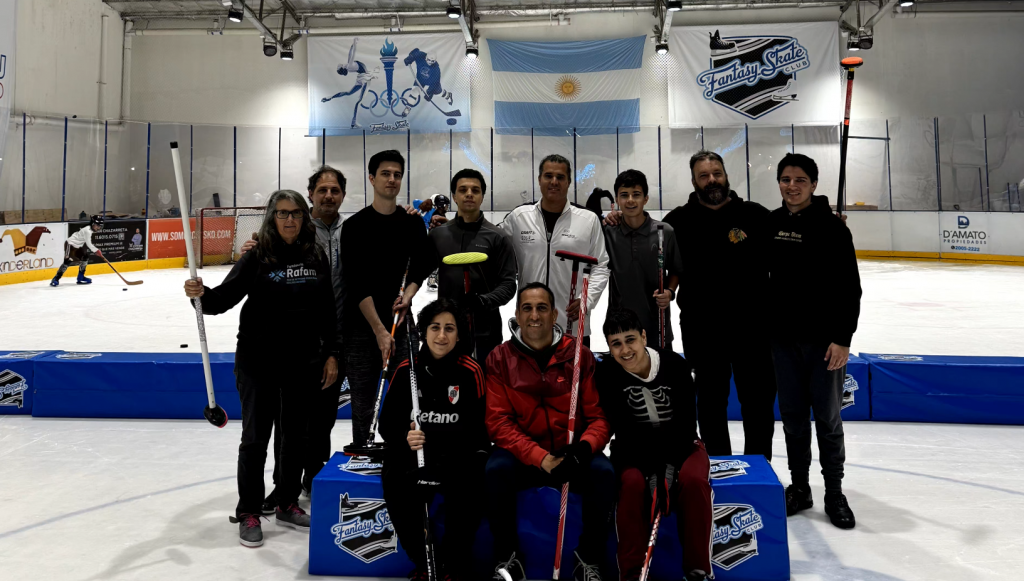
What brought me to Buenos Aires was an exciting milestone: the foundation of the Argentine Curling Federation. A small but highly motivated group of enthusiasts has set out to make curling more popular across South America — and their passion is truly inspiring.

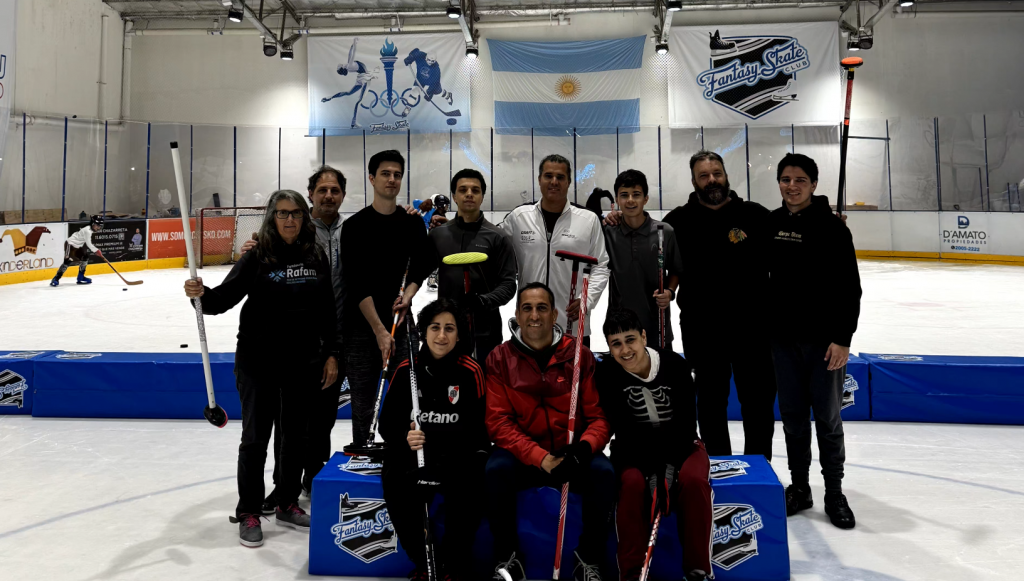
The new Argentine Curling Association is highly motivated!

The federation is already planning to build a professional curling arena in Buenos Aires, the first of its kind in Argentina. During my training sessions, I could immediately feel the team’s energy and determination — a perfect blend of curiosity, teamwork, and love for the game.

Curling with Argentine Warmth

I was deeply impressed by the kindness and openness of the people, especially the curlers. After an intense training session, we shared laughter, good conversation, and of course, some traditional mate. The enthusiasm of the Argentine curling community is contagious — you can feel that something great is beginning to take shape here.

Buenos Aires – Architecture, Soul, and Maradona

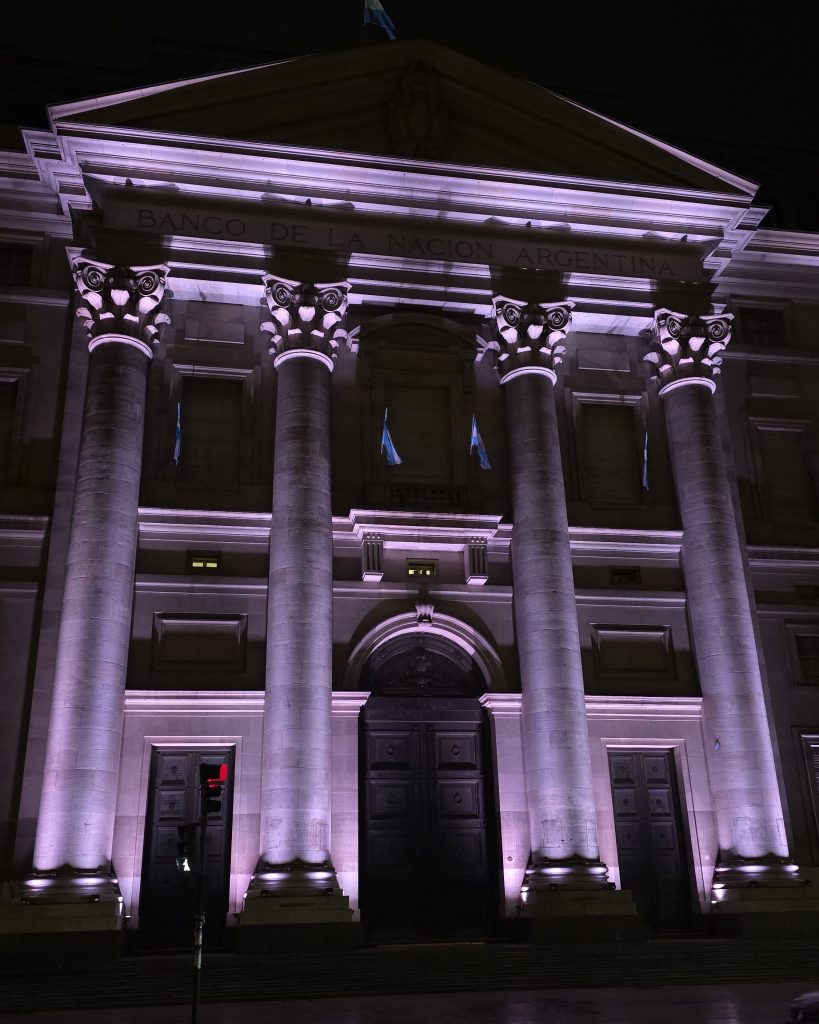
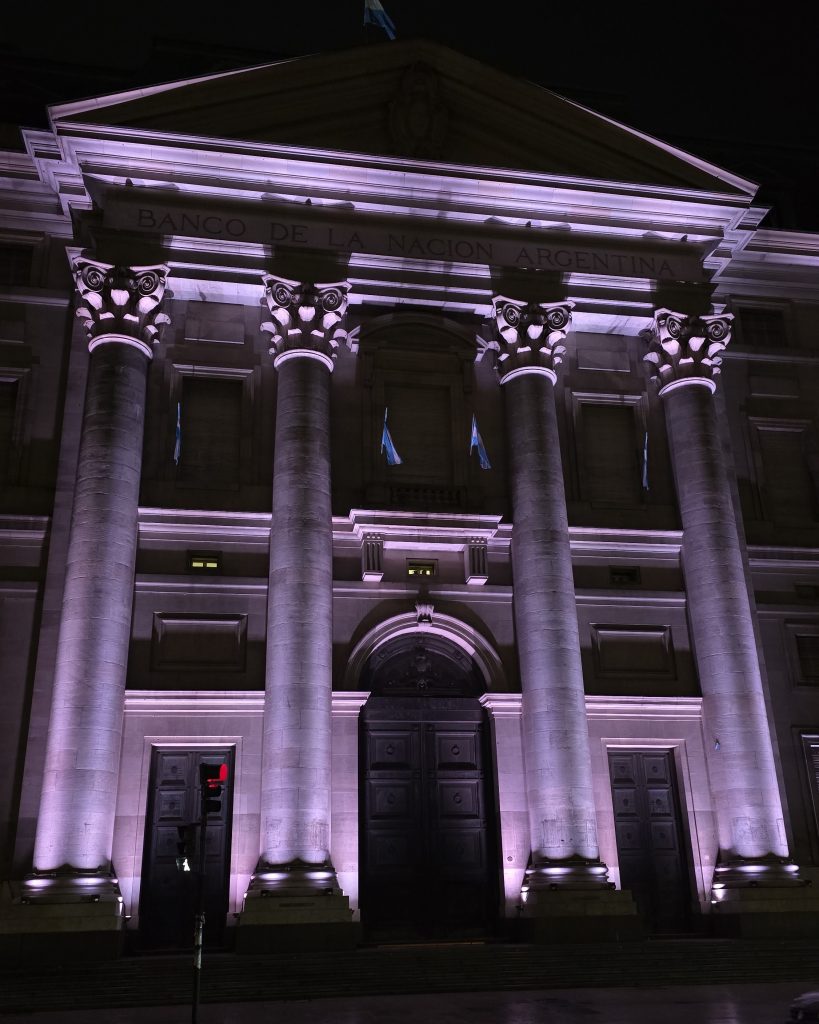
Beyond the ice, Buenos Aires offers a one-of-a-kind atmosphere. The architecture of the city reminds me of Paris or Vienna — elegant facades, charming cafés, and a nostalgic European touch mixed with South American spirit.

The architecture in Buenos Aires is extremely impressive!
The Teatro Colón (Spanish for Columbus Theater) is the most famous theater in Buenos Aires, and probably in all of South America

And then something truly touching happened:
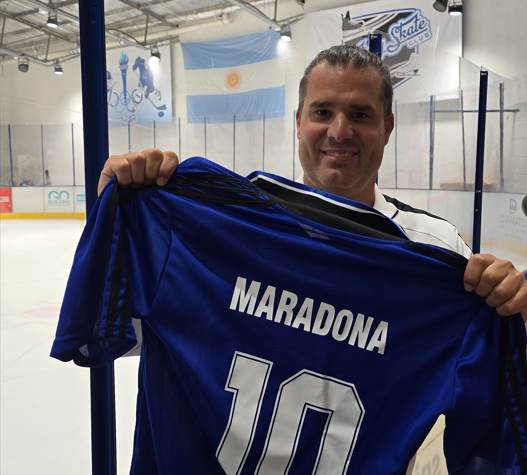
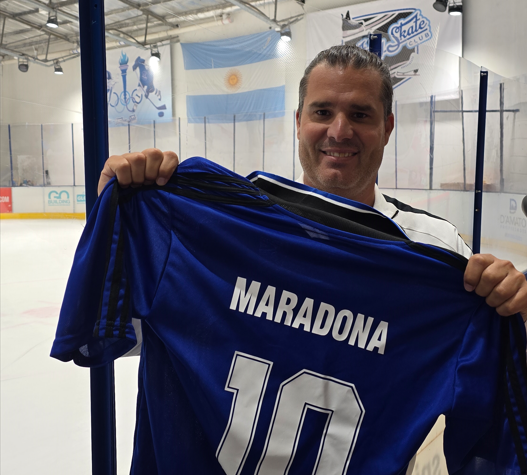
After my final training session, the team surprised me with a very special gift — a Maradona T-shirt from the 1994 World Cup. A symbol of passion, pride, and Argentine identity. I was genuinely moved and deeply grateful for this thoughtful gesture.

Thank you so much for this special gift! It means a lot to me!!

A Chapter Full of Inspiration

My time in Buenos Aires became one of the most memorable chapters of my A to Be Worldtour. It’s inspiring to see how a sport like curling — typically associated with Canada or Scandinavia — is finding its place in a football-loving nation, driven by enthusiasm, friendship, and pure heart.

I’m convinced that the Argentine curlers will achieve great things — and I’ll be more than happy to support their journey in the future.

Hasta pronto, Buenos Aires — and thank you for this unforgettable experience in Maradona Land! 🇦🇷🥌

More information on LLTV, DORFTV or in the Krone news:
Coup von Boris Seidl – Neuer Curling-Chef wischt jetzt im Maradona-Land | krone.at

Curling-Trainingssession im Maradona-Land – Ein Stopp auf meiner A to Be Worldtour (DE)

Auf meiner A to Be Worldtour machte ich einen ganz besonderen Stopp in Buenos Aires, der pulsierenden Hauptstadt Argentiniens – einem Land, das man vor allem mit Leidenschaft, Musik und Fußball verbindet. Doch diesmal stand nicht der Ball im Mittelpunkt, sondern der Curlingstein.

Der neue Curlingverband ist sehr motiviert! Respekt!

Ein neuer Curlingverband in Südamerika

Was mich nach Buenos Aires führte, war ein bemerkenswertes Ereignis: die Gründung des argentinischen Curlingverbands. Eine kleine, aber hoch motivierte Gemeinschaft von Enthusiasten hat es sich zum Ziel gesetzt, den Sport auf Eis in Südamerika bekannter zu machen – und das mit beeindruckendem Engagement.

Der Verband plant bereits den Bau einer professionellen Curlinghalle in Buenos Aires, die erste ihrer Art in Argentinien. Beim Training spürte man sofort die Energie und den Ehrgeiz der Spielerinnen und Spieler – eine Mischung aus Neugier, Teamgeist und echter Leidenschaft für diesen faszinierenden Sport.

Curling mit argentinischer Herzlichkeit

Ich war tief beeindruckt von der Freundlichkeit und Offenheit der Menschen, besonders der Curlingspieler. Nach einer intensiven Trainingssession wurde viel gelacht, diskutiert und natürlich Mate getrunken. Die Begeisterung, mit der die argentinischen Curler an die Sache herangehen, ist ansteckend – man spürt förmlich, dass hier etwas Großes im Entstehen ist.

Buenos Aires – Architektur, Seele und Maradona

Neben dem Eis bietet Buenos Aires eine unvergleichliche Atmosphäre. Die Architektur der Stadt erinnert an Paris oder Wien – elegante Fassaden, charmante Straßencafés und ein Hauch europäischer Nostalgie, vermischt mit südamerikanischem Temperament.

Die Architektur in Buenos Aires ist äußerst beeindruckend!
Das Teatro Colón (spanisch für Kolumbus-Theater) ist das bekannteste Theater in Buenos Aires, wahrscheinlich in ganz Südamerika

Und dann geschah etwas, das mich wirklich berührte:
Nach meiner letzten Trainingssession überreichte mir das Team ein ganz besonderes Geschenk – ein Maradona-Trikot von der WM 1994. Ein Symbol für Leidenschaft, Stolz und argentinische Identität. Ich war überwältigt von dieser Geste und habe mich riesig darüber gefreut.

Vielen Dank für dieses besondere Geschenk! Es bedeutet mir sehr viel!!

Ein Kapitel voller Inspiration

Mein Aufenthalt in Buenos Aires war ein unvergessliches Kapitel meiner A to Be Worldtour. Es ist inspirierend zu sehen, wie sich eine Sportart wie Curling, die man eher mit Kanada oder Skandinavien verbindet, ihren Weg in eine Fußballnation bahnt – getragen von Enthusiasmus, Freundschaft und Herzblut.

Ich bin überzeugt, dass die argentinischen Curler Großes erreichen werden – und ich werde sie auf ihrem Weg mit Freude weiterhin unterstützen.

Hasta pronto, Buenos Aires – und danke für dieses wundervolle Erlebnis im Maradona-Land! 🇦🇷🥌

Mehr Infos auf LLTV, DORTV oder in der Krone:
Coup von Boris Seidl – Neuer Curling-Chef wischt jetzt im Maradona-Land | krone.at

Independencia – living a little more independently (EN)

There are encounters that spontaneously change your itinerary – and that’s exactly what happened with Frank and Carlos. We met by chance at the Tyrolean festival in Treze Tílias (Thirteen Linden Trees, Brazil), surrounded by brass band music, lederhosen and apple strudel. The atmosphere was great, and over a cold beer, the two told me about their home in Paraguay: Independencia, a German-speaking colony with the largest beer festival in the country.

‘Just come and visit!’ they said.
And honestly, I didn’t have to think twice. That’s how my vlog 8 from Paraguay came about.

A few days later, I was on a plane to Asunción, the capital of Paraguay. As we approached the city, the red roofs glowed in the afternoon sun. From there, I took a bus out of the metropolis and into the green, hilly countryside. The landscape became increasingly rural, the roads narrower, and eventually the sign appeared:
Bienvenidos a Independencia.

Etwas unabhängiger am Land leben – Independencia

A colony steeped in history

The Independencia colony was founded over a hundred years ago by German, Austrian and Swiss immigrants. At that time, the land was still wild and undeveloped, but the new arrivals were generously given several hectares of land per family.
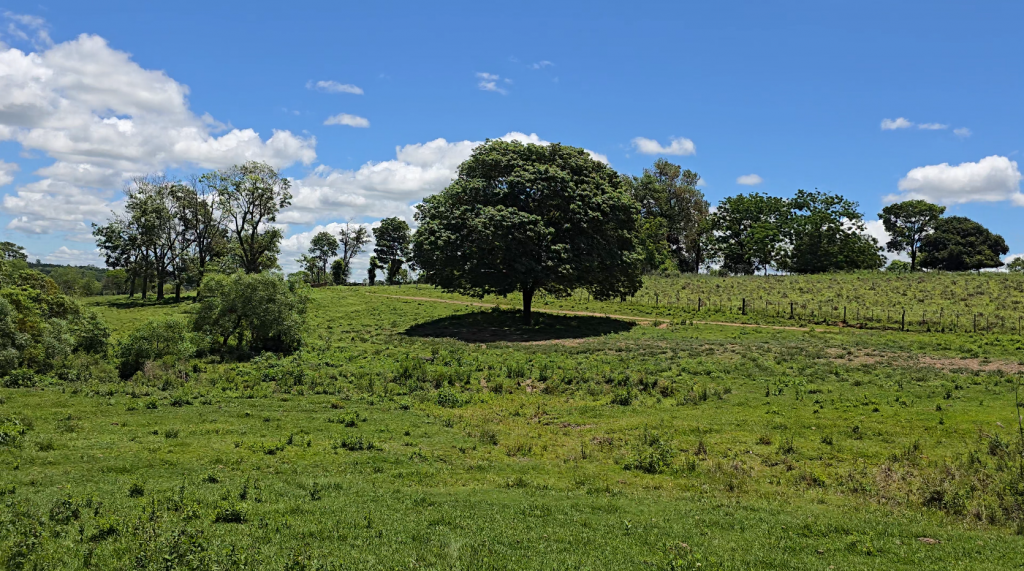
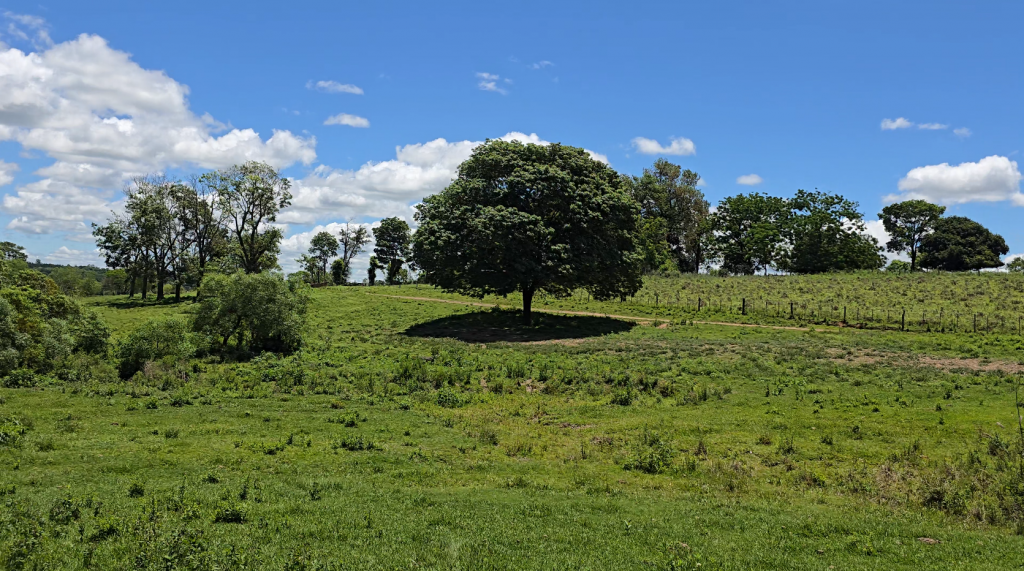
Initially, wine was the main crop grown here, and indeed, many of the rolling hills and vineyards are still reminiscent of small corners of the Palatinate or Styria.

In recent decades, however, the picture has changed: in addition to agriculture and viticulture, tourism now also plays a role – especially when the beer festival takes place in Independencia.

As you can see in my vlog no. 8 (LLTV and DORFTV), you get a good impression of the scale of the beer festival! Over 15,000 people celebrated exuberantly – with several stages, great performances and an atmosphere that was simply incredible.

Finally, I would like to once again express my sincere thanks to Frank, Carlos and Georg (and their families) for their warm hospitality and the wonderful time I had. Special thanks go above all to Frank’s family, who run the Hotel Tilinski – I stayed there and felt completely at home.

Now it’s time to pack my bags and head to Buenos Aires, where the first Argentine curling club awaits me. Stay tuned – more on that in the next vlog! 🇦🇷❄️

Independencia – etwas unabhängiger leben (DE)

Es gibt Begegnungen, die verändern spontan die Reiseroute – und genau so war es mit Frank und Carlos. Wir haben uns zufällig beim Tirolerfest in Treze Tílias (Dreizehnlinden, Brasilien) kennengelernt, mitten zwischen Blasmusik, Lederhosen und Apfelstrudel. Die Stimmung war großartig, und bei einem kühlen Bier erzählten mir die beiden von ihrer Heimat in Paraguay: Independencia, eine deutschsprachige Kolonie mit dem größten Bierfest des Landes.

„Komm doch einfach vorbei!“, sagten sie.
Und ehrlich gesagt – ich musste nicht lange überlegen. So entstand mein Vlog 8 aus Paraquay.

Ein paar Tage später saß ich im Flugzeug nach Asunción, der Hauptstadt Paraguays. Schon beim Landeanflug leuchteten die roten Dächer der Stadt in der Nachmittagssonne. Von dort ging es weiter mit dem Bus – raus aus der Metropole, hinein in das grüne, hügelige Land. Die Landschaft wurde zunehmend ländlicher, die Straßen schmaler, und irgendwann tauchte das Schild auf:
Bienvenidos a Independencia.

Etwas unabhängiger am Land leben – Independencia

Kolonie mit Geschichte

Die Kolonie Independencia wurde bereits vor über hundert Jahren gegründet – von deutschen, österreichischen und schweizerischen Einwanderern. Damals war das Land noch wild und unerschlossen, aber die Neuankömmlinge bekamen großzügig Land – mehrere Hektar pro Familie.
Anfangs wurde hier vor allem Wein angebaut, und tatsächlich erinnern viele der sanften Hügel und Weingärten noch heute an kleine Ecken in der Pfalz oder der Steiermark.

In den letzten Jahrzehnten hat sich das Bild jedoch gewandelt: Neben Landwirtschaft und Weinbau spielt inzwischen auch der Tourismus eine Rolle – besonders, wenn das Bierfest in Independencia stattfindet.

Wie ihr in meinem Vlog Nr. 8 sehen könnt (LLTV und DORFTV), bekommt ihr einen guten Eindruck von der Dimension des Bierfestes! Über 15.000 Menschen feierten ausgelassen – mit mehreren Bühnen, tollen Performances und einer Stimmung, die einfach unglaublich war.

Zum Abschluss möchte ich mich nochmals ganz herzlich bei Frank, Carlos und Georg (sowie ihren Familien) für die herzliche Gastfreundschaft und die wunderbare Zeit bedanken. Ein besonderer Dank geht vor allem an Franks Familie, die das Hotel Tilinski führt – dort war ich untergebracht und habe mich rundum wohlgefühlt.

Jetzt heißt es: Koffer packen und weiter nach Buenos Aires, wo mich der erste argentinische Curlingklub erwartet. Seid gespannt – mehr dazu im nächsten Vlog! 🇦🇷❄️

From the seaside skyline to ESC 2026: the dream city of Balneário Camboriú (EN)

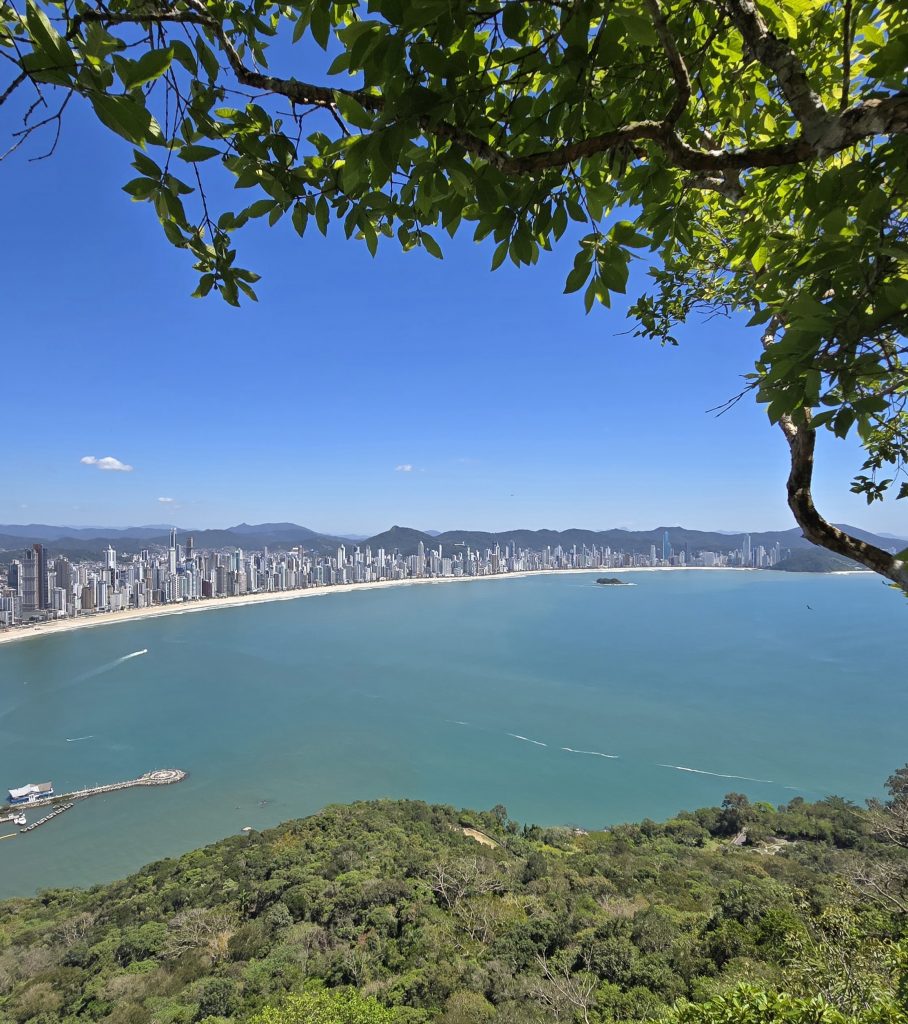
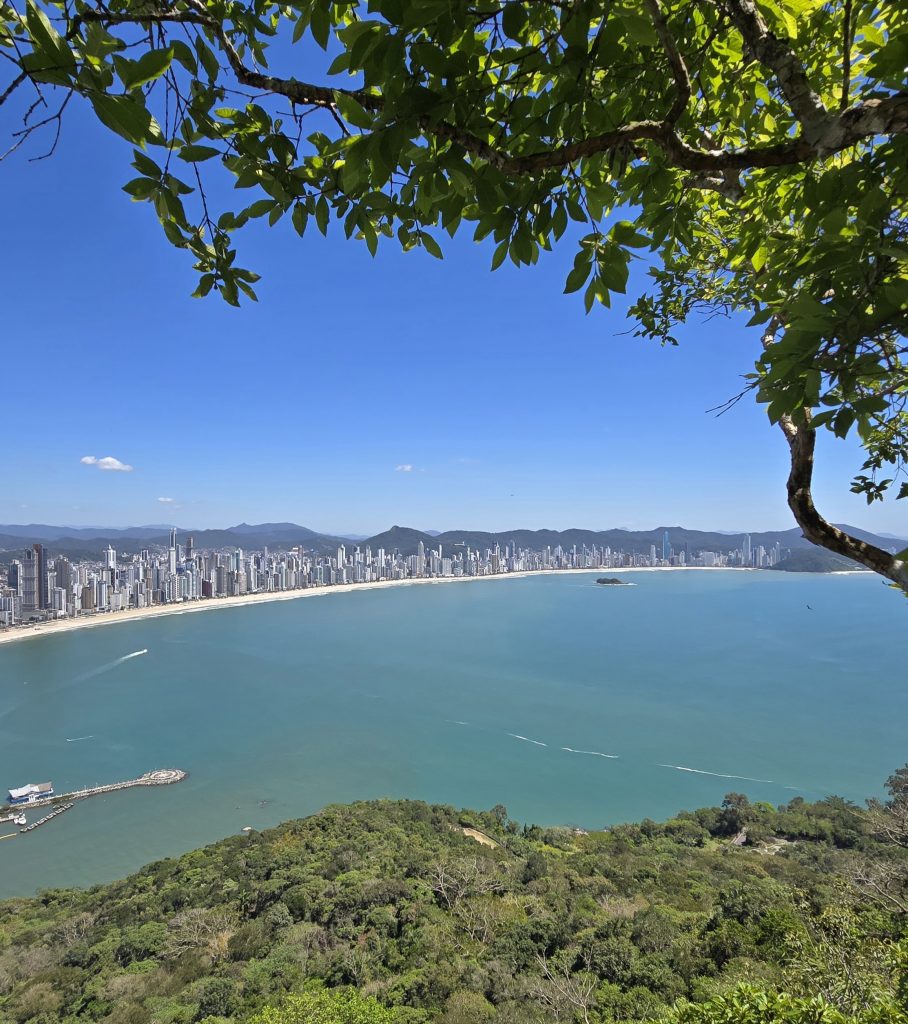
When you think of Brazil, Rio or São Paulo are the first places that come to mind – but Balneário Camboriú is the little gem that never ceases to surprise me. This city on the Atlantic coast of the state of Santa Catarina is like a miniature version of Miami – only more Brazilian, more colourful, more lively.
For me, 2025 actually began here: with the sun on my face, salt in my hair and a wealth of new impressions and inspiration. I spent days working on new songs, often with a view of the beach and the sea, where the rhythm of the waves and the pulse of the city all flowed into my music.

Balneário Camboriú – where inspiration meets the sound of the sea

In the evening, the city comes alive. The skyscrapers are reflected in the water, and the lights along Avenida Atlântica dance to the beat of the night. Between street food, caipirinhas and spontaneous beach concerts, I remembered my dream: music, travel and freedom.

Perhaps it was this moment – when a street musician somewhere played a melancholic bossa nova version of a pop song – that gave me the courage to finally finish writing my song. It’s about setting out, about the courage to overcome boundaries – and about how music builds bridges, whether between oceans or continents.
Another unexpected stop, perhaps in Vienna – ESC 2026, here I come!

Apparently, there were over 500 applications, so I realize that it’s not easy to even make it to the preliminary round. But anyway, maybe it will work out. Many years ago, some of my students asked me why I didn’t apply for the ESC. I usually said that I was too old and not suitable. Many years later, I don’t think about it so much anymore – my motto is “Time to Be.” My song is a mixture of Brazilian fire and Western rock sound – with a pinch of coastal wind from Balneário Camboriú “Between the Waves and the Stars.

Conclusion: travelling, being, singing

This trip showed me that places are more than just backdrops – they are sound spaces. Balneário Camboriú gave me inspiration, Vienna may give me the stage.


Von der Skyline am Meer zum ESC 2026: Traumstadt Balneário Camboriú (DE)

Wenn man an Brasilien denkt, kommen einem zuerst Rio oder São Paulo in den Sinn – doch Balneário Camboriú ist das kleine Juwel, das mich immer wieder überrascht. Diese Stadt an der Atlantikküste des Bundesstaates Santa Catarina ist wie eine Miniaturausgabe von Miami – nur brasilianischer, bunter, lebendiger.
Für mich begann das Jahr 2025 eigentlich erst hier: mit Sonne im Gesicht, Salz in den Haaren und einer Menge neuer Eindrücke + Inspirationen. Ich verbrachte Tage damit, an neuen Songs zu feilen, oft mit Blick auf den Strand und das Meer, wo der Rhythmus der Wellen und das Pulsieren der Stadt – all das in meine Musik einfloss.

Balneário Camboriú – wo Inspiration auf Meeresrauschen trifft

Am Abend erwacht die Stadt. Die Hochhäuser spiegeln sich im Wasser, und die Lichter entlang der Avenida Atlântica tanzen im Takt der Nacht. Zwischen Streetfood, Caipirinhas und spontanen Strandkonzerten habe ich mich an meinen Traum erinnert: Musik, Reisen und Freiheit.

Vielleicht war es dieser Moment – als irgendwo ein Straßenmusiker eine melancholische Bossa-Nova-Version eines Popsongs spielte –, der mir den Mut gab, meinen Song endlich fertig zu schreiben. Er handelt vom Aufbruch, vom Mut, Grenzen zu überwinden – und davon, dass Musik Brücken baut, egal ob zwischen Ozeanen oder Kontinenten.
Ein weiterer und unerwarteter Stopp, vielleicht in Wien – ESC 2026, ich komme!

Es gab anscheinend über 500 Bewerbungen und somit ist mir bewusst, dass dies nicht einfach ist, um überhaupt in eine Ausscheidungsrunde zu kommen. Aber egal, vielleicht klappt’s. Schon vor vielen Jahren haben mich einige SchülerInnen gefragt, warum ich mich nicht für den ESC bewerben würde. Ich sagte meistens, dass ich dafür zu alt und nicht passend sei. Viele Jahre später denke ich nicht mehr so viel nach – ganz unter dem Motto „Time to Be“. Mein Song ist eine Mischung aus brasilianischem Feuer und westlichem Rocksound – mit einer Prise Küstenwind aus Balneário Camboriú „Between the Waves and the Stars“.

Fazit: Reisen, Sein, Singen

Diese Reise hat mir gezeigt, dass Orte mehr sind als nur Kulissen – sie sind Klangräume. Balneário Camboriú hat mir Inspiration geschenkt, Wien gibt mir vielleicht die Bühne.