Brazil is an incredibly vast country—so vast that even after weeks you barely scratch the surface. And yet, I was lucky enough to get to know several beautiful and very different places in greater depth. Each of them left behind its own unique energy.
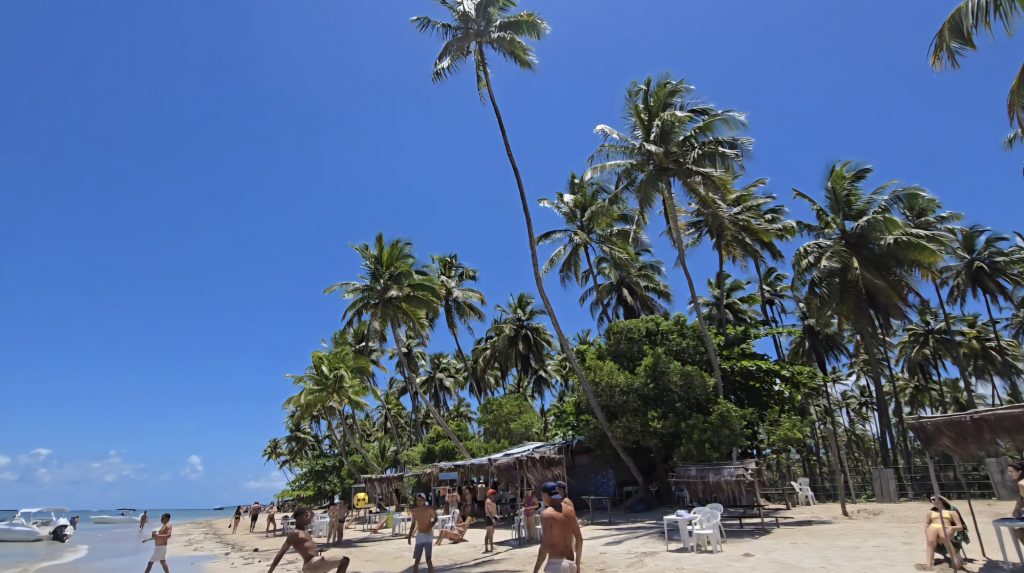
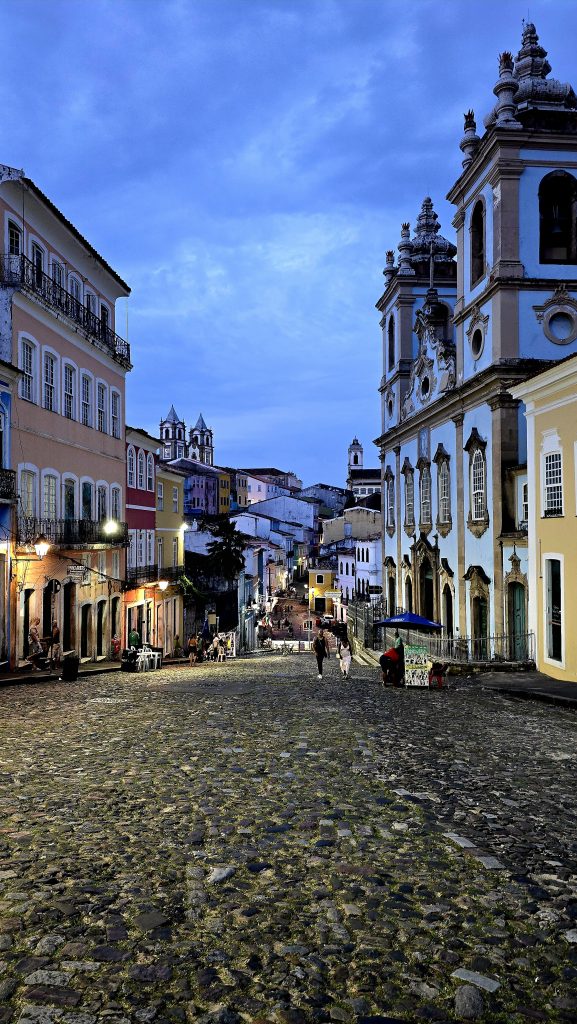
My journey first took me to Salvador. From the moment you arrive, you can feel the city’s special rhythm. The historic old town, with its colorful houses, cobblestone streets, and colonial façades, feels almost like a living museum. At the same time, everything is full of life: music on every corner, the scent of street food in the air, and the laughter of people. I was especially impressed by the beaches around Salvador—unique, expansive, and full of contrasts. Here, Atlantic waves meet history, and you quickly lose all sense of time.
From there, I continued on to São Paulo—a complete contrast. Loud, enormous, overwhelming. The reason for this stop was a very special one: the last Oasis concert at Morumbi Stadium. It was an unforgettable evening, not only because of the music, but also because I was able to experience this concert with two wonderful friends. The atmosphere was electric, full of emotion and nostalgia. An extra highlight was The Verve as the opening act—a moment that has stayed with me to this day. Music has the power to merge places and moments in time, and that is exactly what happened that night.
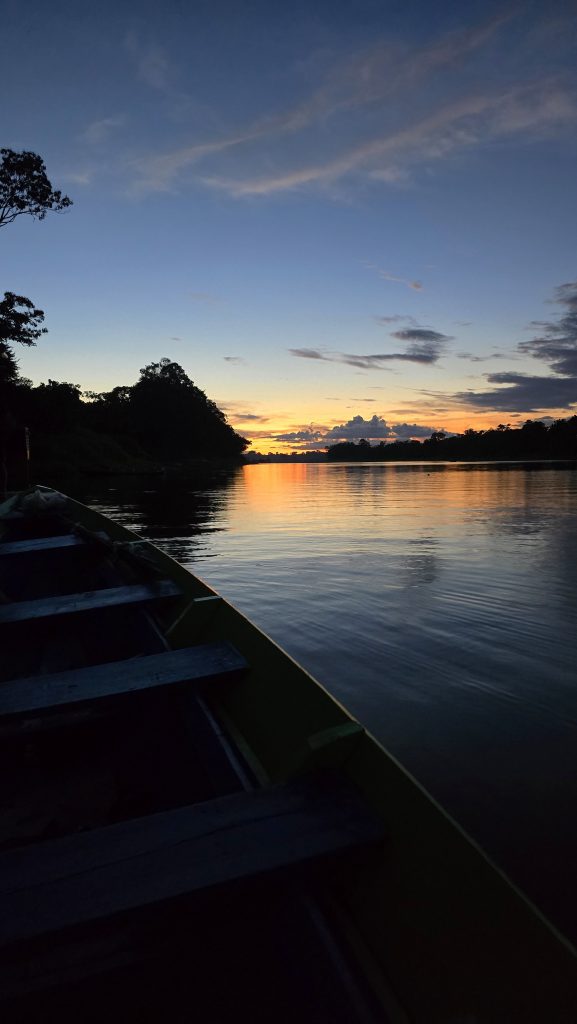
The final stop of my journey took me deep into a completely different world: the Amazon rainforest. Here, everything became slower, more intense, and more primal. This time was especially meaningful to me because I gained so many new impressions—from the nature and the sounds of the jungle to an entirely new understanding of life in harmony with the environment.
The Amazon rainforest is considered the most species-rich habitat on Earth. According to estimates, several million animal and plant species live there – many of which have not yet been scientifically researched. Every day, new insects, plants or microorganisms are discovered, making the Amazon one of the most important research areas on our planet.
The Amazon River itself is the world’s largest river in terms of water volume. It carries more water than the next seven largest rivers combined and even influences the climate far beyond South America. The enormous evaporation creates so-called ‘flying rivers’ – huge streams of moisture that bring rain as far as central and southern Brazil.
Another fascinating detail: the rainforest produces a large part of its own rain. Trees release water vapour through their leaves, creating a stable, self-sustaining ecosystem. If this balance is disturbed, it can have dramatic consequences for the global climate.
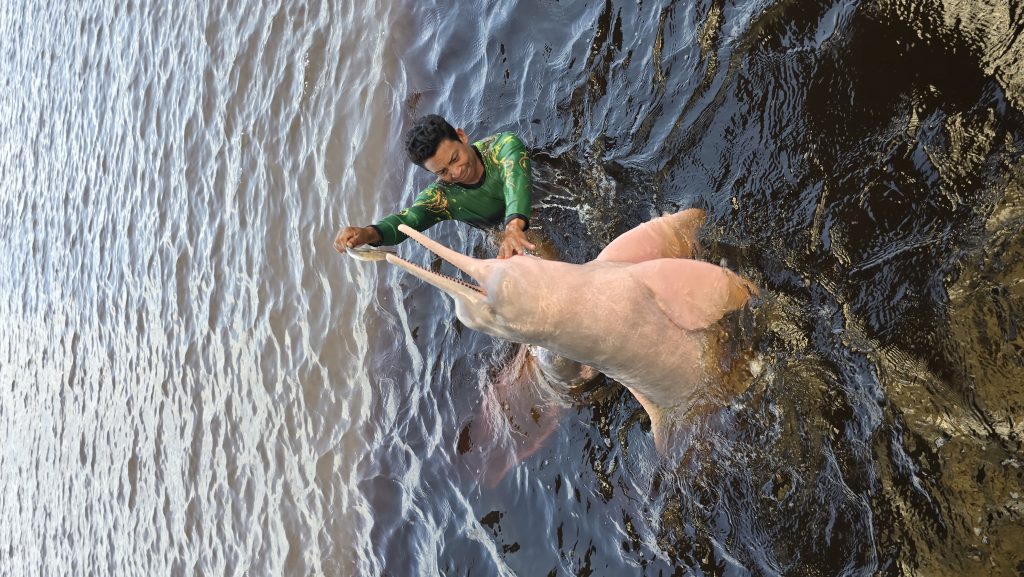
A truly special experience was encountering the Boto river dolphins.
The pink botos of the Amazon are not only beautiful—they are living witnesses to an extraordinary geological history. Millions of years ago, the Amazon Basin was a vast inland sea. Only when the Andes slowly rose from the earth was this sea cut off from the ocean. Trapped in newly formed freshwater worlds, the ancestors of today’s river dolphins adapted—and evolved into the unique botos. Being so close to them was magical and once again showed me how closely nature, history, and life are intertwined.
This journey through Brazil was loud and quiet, wild and gentle, urban and completely untouched. Brasil Brazil—a country that stays with you.